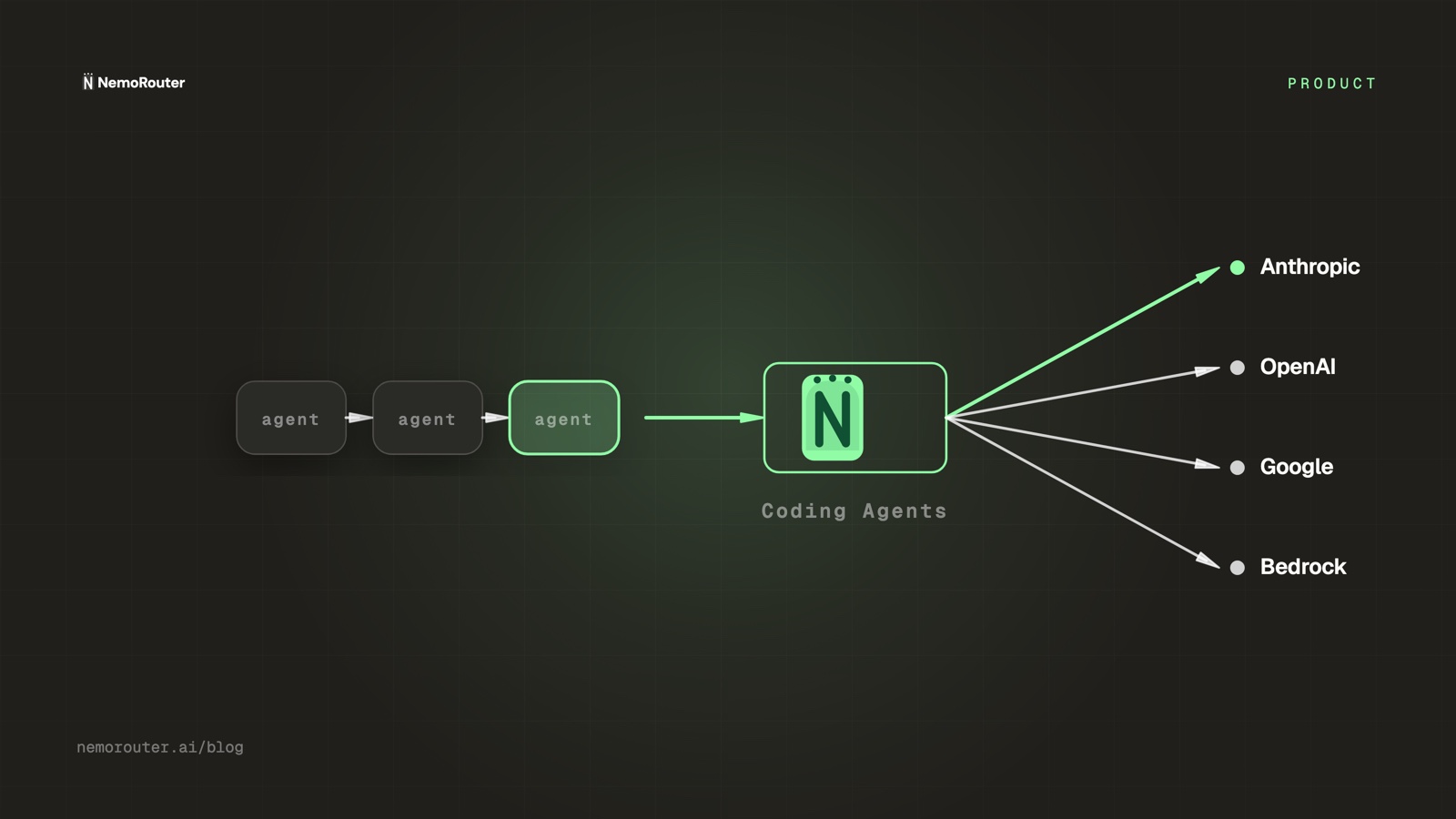
A coding agent is the most demanding LLM workload there is: one task can fan out into hundreds of model calls — plan, edit, run tests, read the failure, edit again — looping until done. That autonomy is the value and the risk. A loop with a bug doesn't make one bad call; it makes a thousand. A gateway is what lets you give an agent autonomy without handing it an uncapped credit card.
Why coding agents stress a gateway
The agent loop has properties that punish a thin integration:
- High fan-out. Many calls per task, often concurrent across tools and sub-agents.
- Long-running. A task can run for minutes, accumulating cost the whole time.
- Unpredictable cost. A task that should take 10 calls takes 200 when it gets stuck.
- Reliability-sensitive. A provider blip mid-task can strand a half-finished change.
Direct provider calls give the agent none of the controls these demand. A gateway gives you all of them without the agent's code changing.
Budget: the autonomous-loop seatbelt
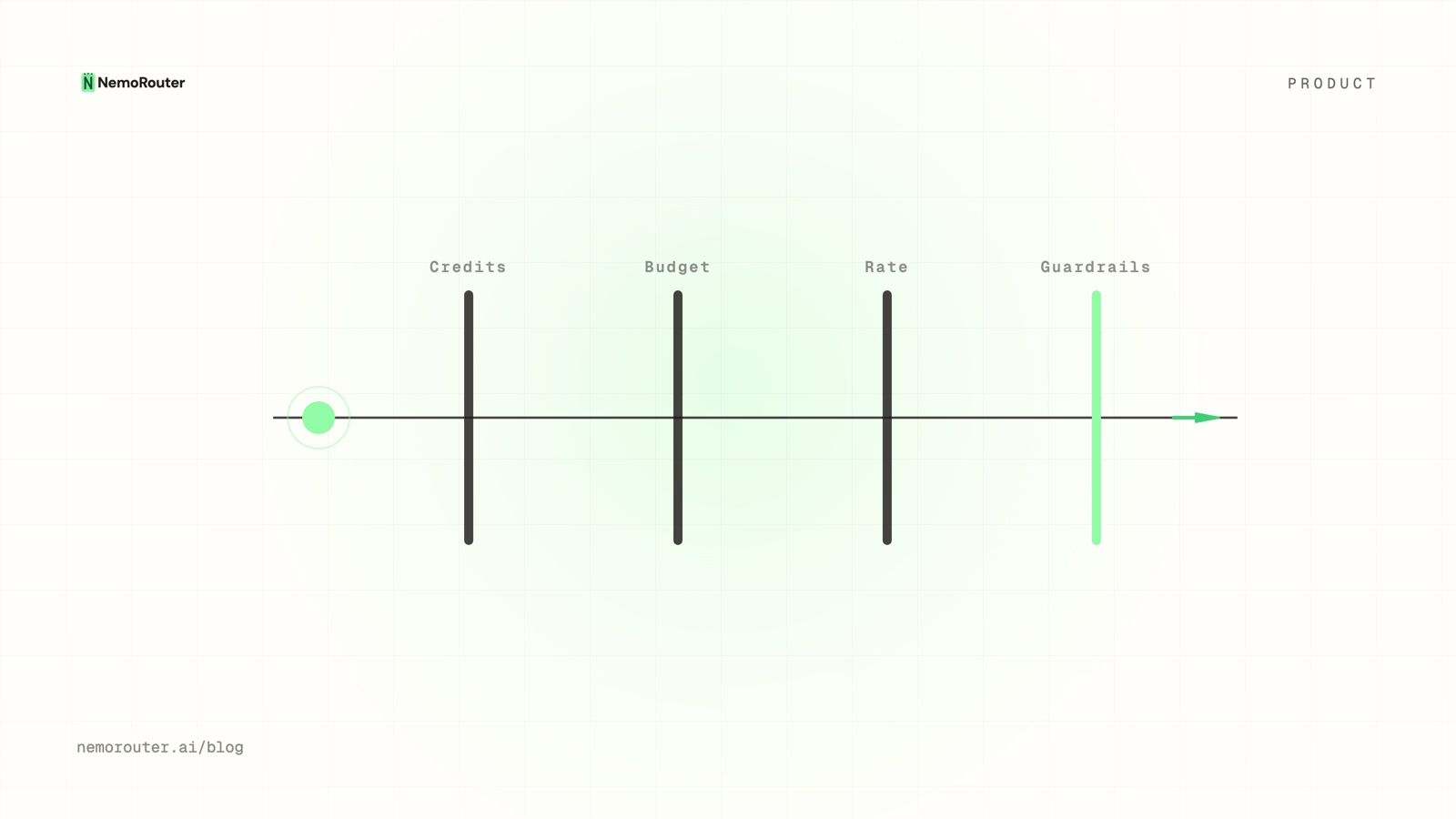
The single most important control for an agent is a hard spend cap scoped to the agent's key:
key "coding-agent"   budget $20 / task-run (or / day)
  → agent loops freely under the cap
  → runaway loop hits cap → 429 → loop stops, alert fires
Because the cap is enforced with reserve-and-settle, it holds even when the agent fires many calls concurrently — the loop can't slip past the ceiling in a burst. The worst case of "the agent got stuck in a loop overnight" becomes "the agent hit its cap and paged someone," which is exactly the seatbelt autonomy needs.
Give each agent run its own bounded key
Scope a virtual key per agent (or per run) with its own budget and rate limit. Then a misbehaving agent is contained to its own cap, its spend is attributed to it, and revoking it doesn't touch your other agents. One shared uncapped key for "the agents" is how a single bug becomes everyone's incident.
Fallback: don't strand a task mid-edit
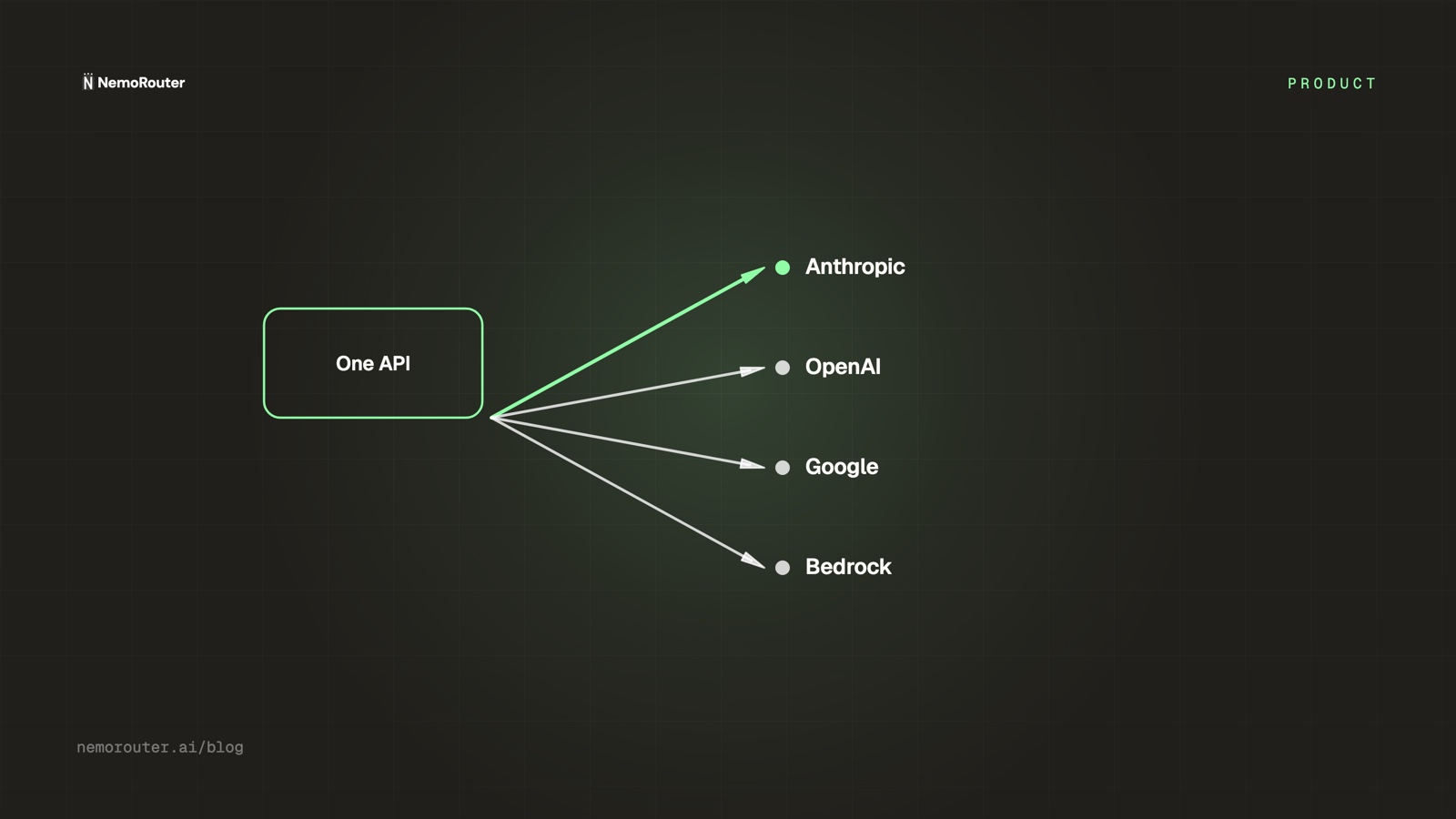
An agent that's three tool-calls into fixing a bug shouldn't die because one provider returned a 529. Fallback chains reroute the failing call to a healthy provider so the loop continues — and because only the successful call is billed, an outage doesn't cost the agent extra, it just costs a few hundred milliseconds. For a long-running task, surviving a transient provider blip is the difference between "done" and "half-applied change, manual cleanup."
Attribution: what did that task cost?
Tag each call with the task and the agent, and you can answer "what did this run cost" by summing the tagged calls — the foundation for per-customer billing if your agent serves customers, and for spotting the task type that's quietly expensive:
extra_body={"metadata": {"tags": ["agent:coder", "task:" + task_id, "step:edit"]}}Now a 200-call task is one queryable number, broken down by step. You learn that "fix failing test" tasks cost 4× "add a comment" tasks — and can route the cheap steps to a cheaper model.
Route steps by difficulty
Not every step needs the flagship. Planning and complex edits may; reading a file, formatting, or classifying an error often don't. Route by cost/quality per step — cheap model for mechanical steps, premium for reasoning — and an agent's bill drops without its success rate moving. The gateway makes this a routing decision, not an agent-code rewrite.
The takeaway
Coding agents are powerful because they loop autonomously, and dangerous for the same reason. A gateway turns autonomy into something you can ship: a hard per-run budget that holds under burst, fallback so a provider blip doesn't strand a task, per-task attribution so you know what runs cost, and per-step routing to cut the bill. Give the agent a capped key and let it work. Set it up in the dashboard.