One API key, every model, total control. For every team and every autonomous agent.
An agent multiplies LLM calls a thousandfold: routed intelligently, secured in the request path, and spent on purpose. Below, the five failures that make autonomy hard to authorize, ranked by what actually hurts, each with the coverage that made it famous, and exactly what closes it.
Load $5, get $15 — a $10 first-purchase bonus
Why is budget the whole point?
AI cost is unbounded by default.
Software used to be license-based and predictable. AI is metered by the token. One runaway agent loop can outspend an entire department before finance ever sees a dashboard.
Surprise AI bill
Cancelled projects
Runaway loops


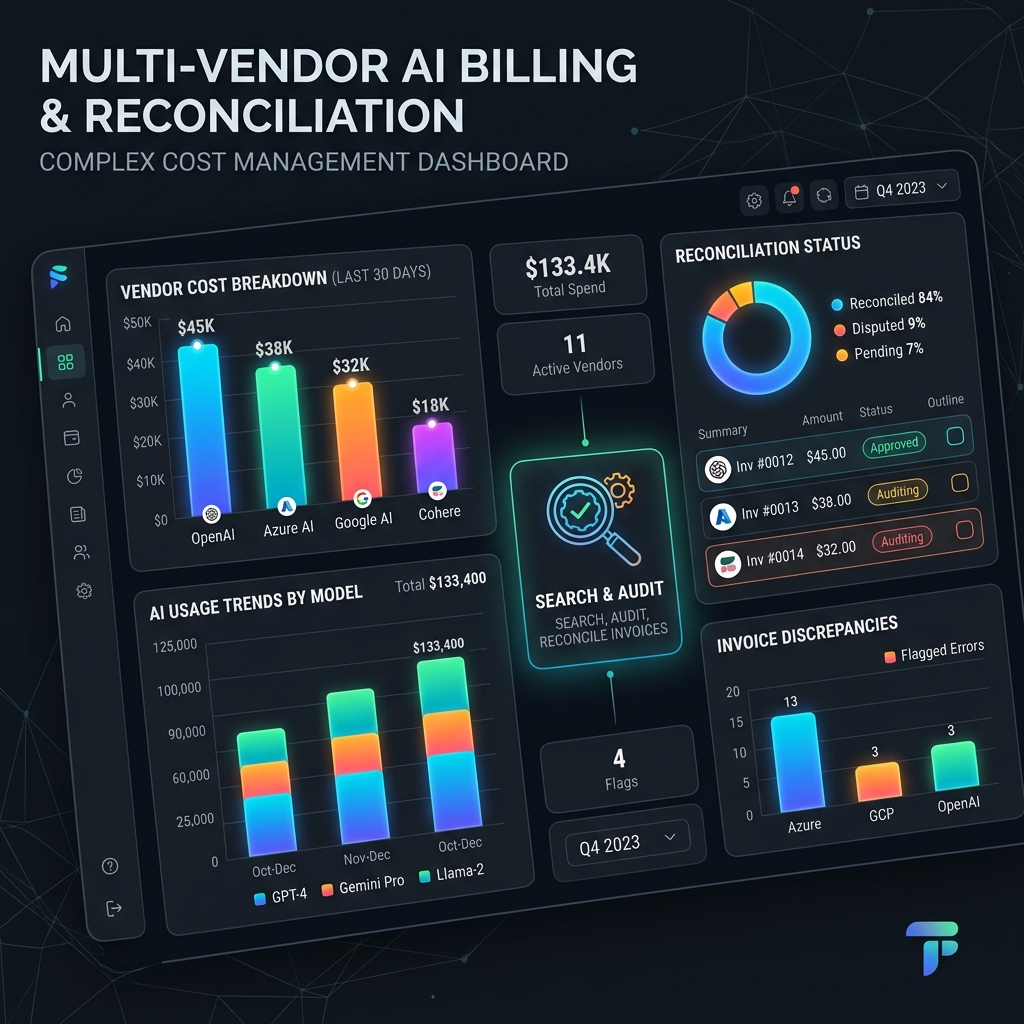
Yahoo Finance · Finance · May 2026
Client Accidentally Burns $500 Million on Claude AI in One Month
An unnamed corporate client accidentally ran up a massive Claude AI bill in a single month after rolling out agentic AI without usage limits.
Spend is governed before the call, not reconciled after.
Four ceilings run in parallel at pre-flight: per-org, per-team, per-key budgets plus RPM/TPM. Credits reserve before the request and settle on the real cost after. Hit a ceiling and the call is refused with a hard 402. The runaway simply can’t happen.
Budget enforcement
blocking nowReserve credits before the call · settle the exact cost after. The over-cap request never runs.
Why one API key?
The model you bet on rarely stays the best.
Bet your product on one provider’s SDK and you’ve signed up for a seven-figure migration the day a better, or cheaper, model ships. And every key your team commits is one more secret to leak.
Leaked credentials
YoY leak increase
Keys exposed


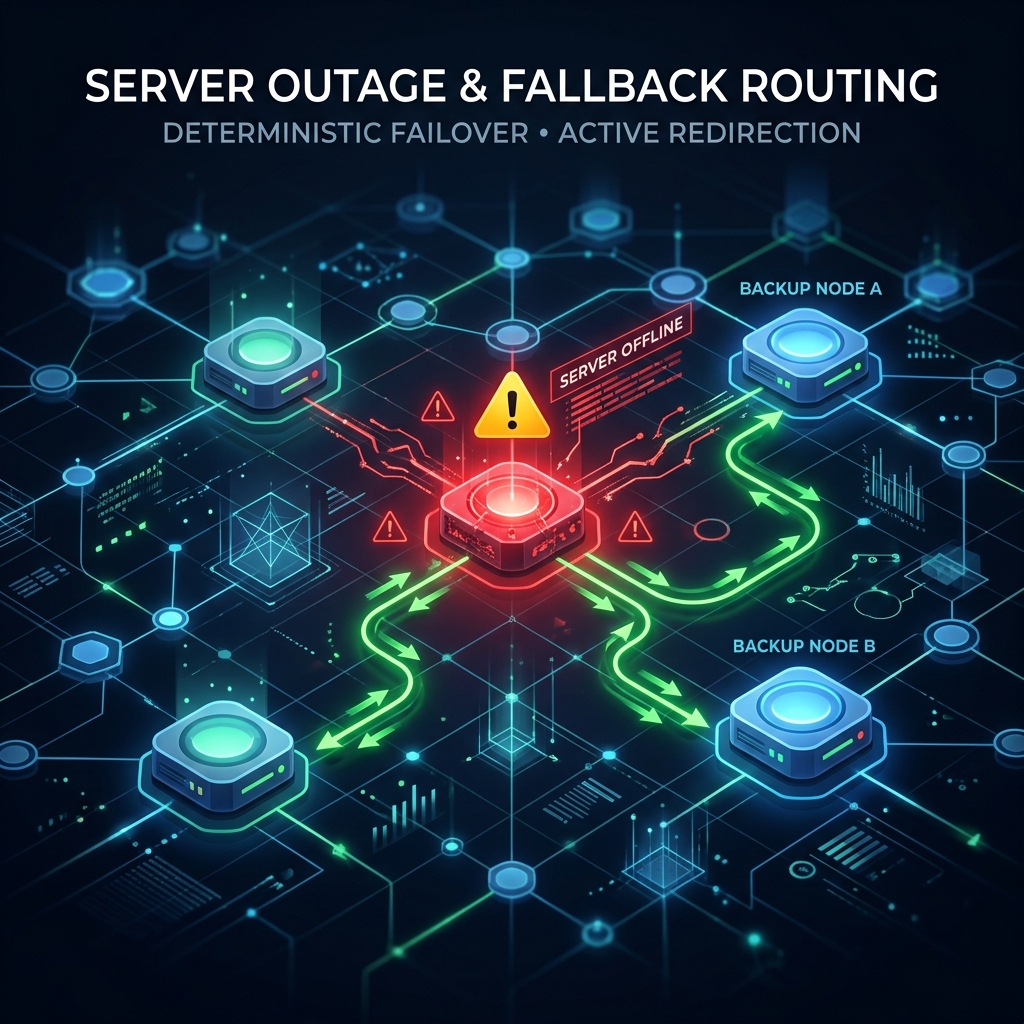
IT Pro · Security · 2025
GitHub is awash with leaked AI company secrets
Security sweeps reveal developers are regularly committing high-privilege provider API credentials directly into public GitHub repositories.
All your models behind one key. Switching is a string.
We hold and rotate every provider credential. No BYOK. One NemoRouter key gates the entire catalog through one OpenAI-compatible endpoint, so swapping gpt → claude → gemini is a one-line change. Provider keys never touch developer machines or public repos.
Before · 5 keys, 5 bills
NemoRouter
sk-nemo-·····7f3a
Single invoice
After · every model
Why is safety inline?
One paste leaks customer data.
You can’t ban AI. People just route around the block with a personal account. The only thing that actually stops a leak is a checkpoint that sits in the request path, on every call.
DLP violations
YoY jump in leaks
Prompts with PII

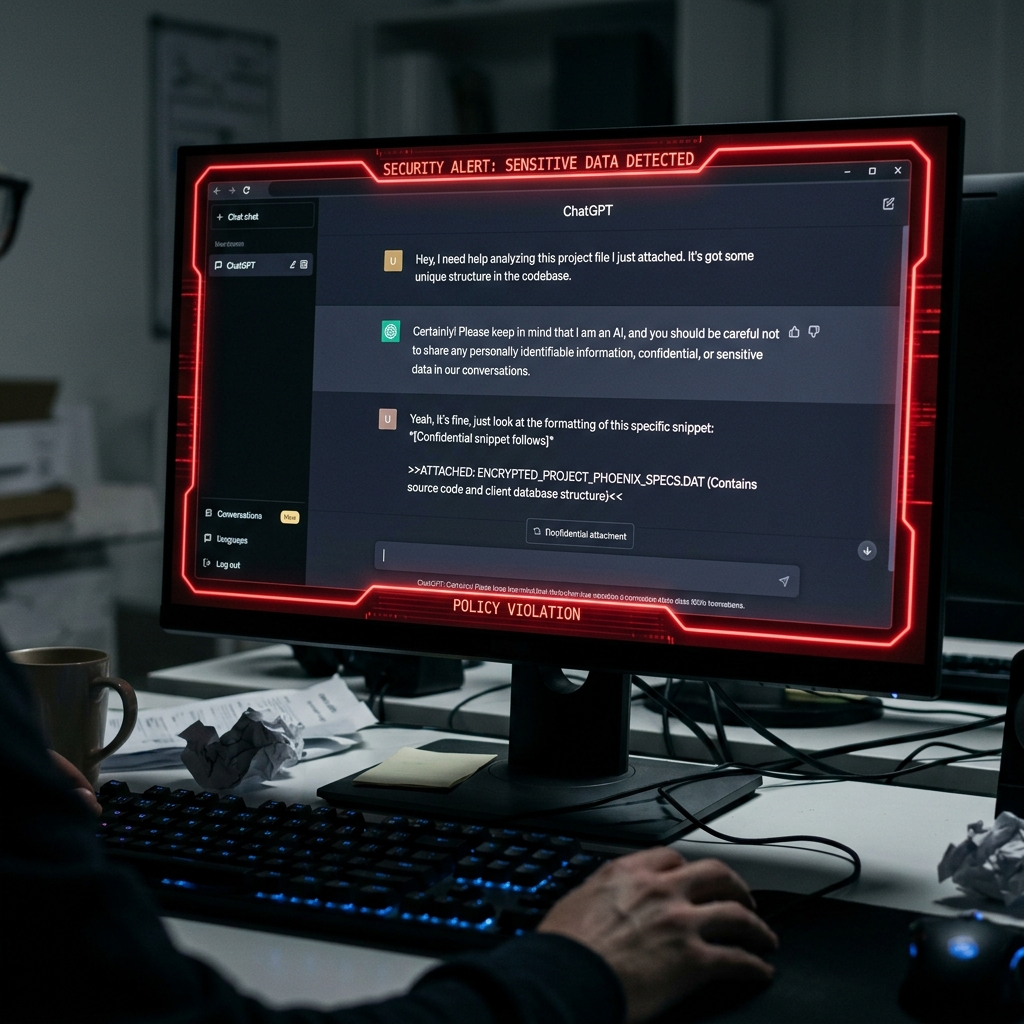
American Banker · Banking · May 2026
Community bank discloses shadow-AI cybersecurity incident
A community bank parent disclosed a cybersecurity breach after an employee uploaded unredacted customer names, DOBs, and SSNs.
Guardrails run inline on every request.
Content safety, PII detection and redaction, keyword blocklists, and prompt-injection defense run in the path on every call, with a key > team > org scope so policy is set centrally and overridable locally. Because the gateway is always in path, there is no shadow route around it.
Guardrails
in path · every callEnforced centrally at the gateway path. Overrides configure key > team > org.
Why one endpoint?
One model is a single point of failure.
Wire every app straight to one model and its worst day becomes yours. The teams that stayed online through the big outages were the ones that could fail over to another provider in milliseconds.
ChatGPT downtime
Cost increase
Unexpected charges
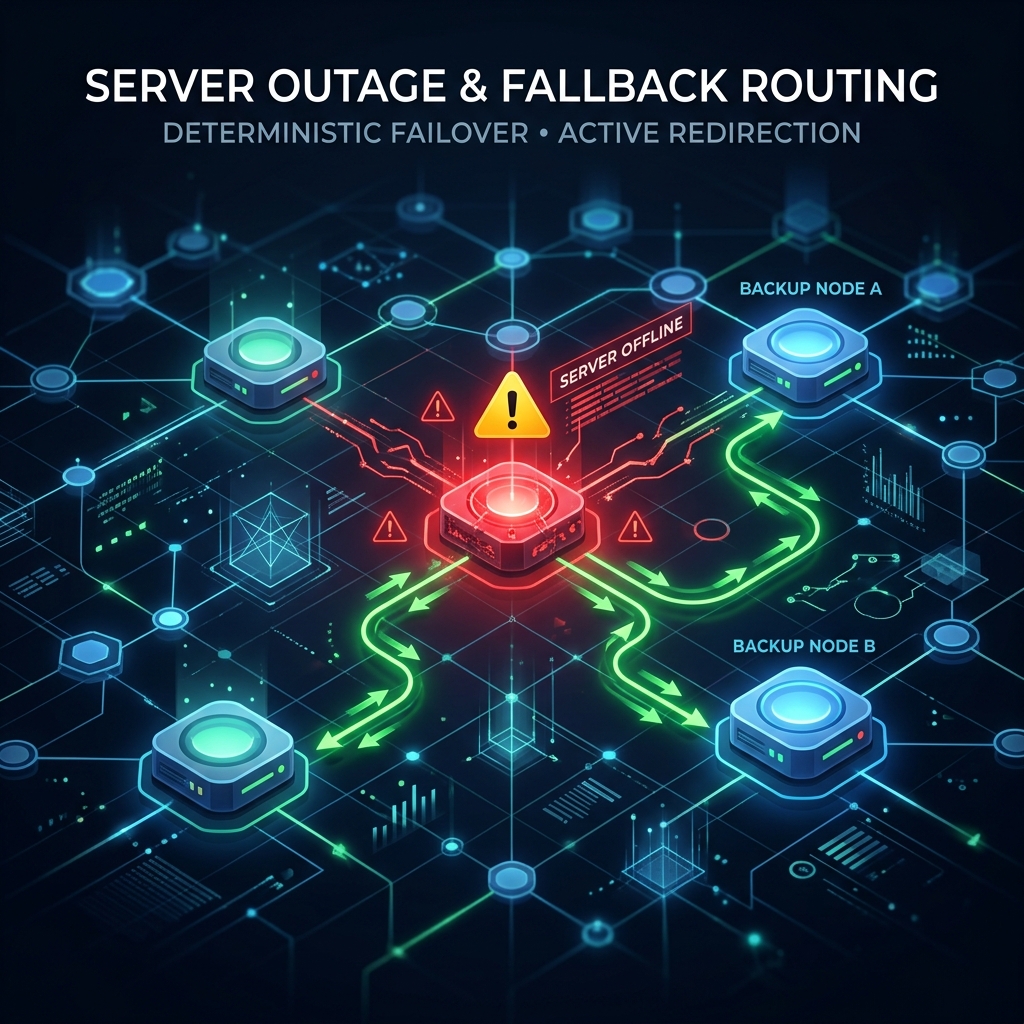
9to5Mac · Tech · Dec 2025
ChatGPT is down for users after a routing misconfiguration
A single routing misconfiguration took down ChatGPT for 15 hours, highlighting the vulnerability of depending on a single LLM deployment.
Failover and routing at one in-path seam.
Cost-, latency-, or weight-based routing picks the deployment per request; provider fallback chains fail over a dead model instead of failing the user. Deterministic A/B experiments split traffic so you test before you commit: all config, no app redeploy.
Smart routing
active failoverNemoRouter Gateway
Evaluating target...
claude-opus
gpt-5
Automatic failover and smart routing policies evaluate targets inline, redirecting calls from down providers in milliseconds.
Why a platform fee?
Nobody knows why the bill was $4,800.
A surprise bill isn’t scary because of the number. It’s scary because nobody can say who spent it, on which prompt, or whether it was a human or an infinite loop. Spread across five consoles, attribution is impossible.
Provider consoles
Surprise AI bill
To reconcile
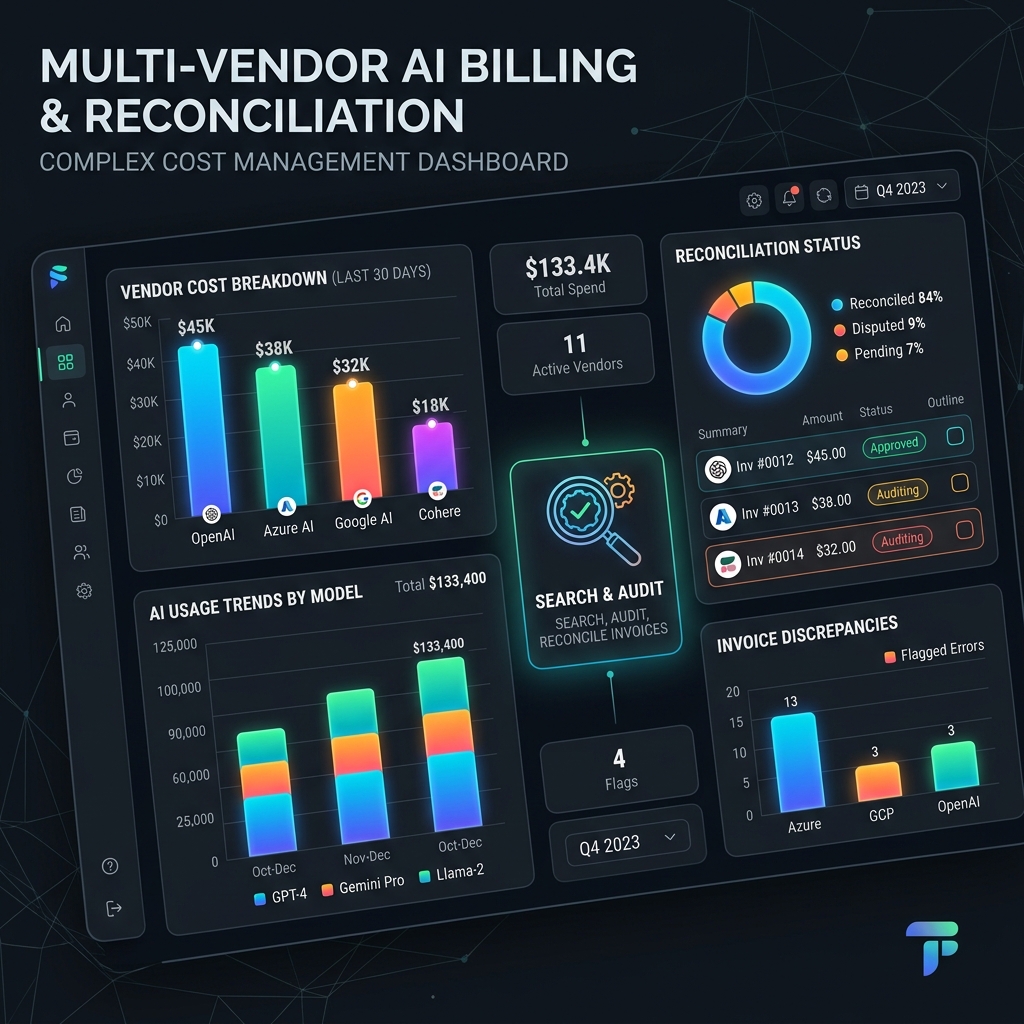
Medium · Engineering · 2026
Our AI bill was $4,800 last month. Nobody knew why.
Engineering teams struggle with unexplained monthly API bills due to lack of per-key or per-team cost attribution across consoles.
One honest console. Real provider cost, attributed.
We read provider-reported cost (never compute it), surface it as x-nemo-request-cost, and attribute every call to its key, team and org. One hard invariant holds the product together: displayed spend equals the API equals the credit ledger.
Cost & usage
displayed == ledgerSpend · MTD
$0.2732
provider-reported
Avg / request
$0.000045
72 requests
Projected
$0.3628
month-end
Spend by model
One key. One bill. One bar of control over every model your team touches.
Whoever's asking “why,” the answer holds up.
The team adopting it
“Will this actually simplify our stack?”
One key replaces every provider account, contract, and invoice. Finance gets one bill with hard budgets; engineering gets every model behind two lines of code. Nothing to self-host, nothing to stitch.
- One key for every model
- Hard budgets per key, team & org
- Guardrails + PII redaction inline
- Automatic failover & smart routing
- One invoice, real provider cost
- Team roles, keys & request logs
The investor
“Where is the durable moat?”
A platform fee on managed governance (multi-tenancy, billing, RBAC, budgets, guardrails) that compounds as model count grows. We win precisely because switching models is free for the customer and sticky for the platform.
- 0–4% platform fee, not a token markup
- Stickier as model count grows
- Governance is the lock-in, not the model
The builder just looking
“How fast can I ship?”
Sign up, grab a key, point the OpenAI SDK at our base URL. You are calling every model in under a minute — no provider keys, no infrastructure. Load $5, get $15 — a $10 first-purchase bonus.
- OpenAI-compatible — keep your SDK
- Load $5, start with $15
- Live in under a minute
AI is becoming autonomous; control must become automatic.
The next decade of software will be operated by fleets of autonomous agents, each calling models thousands of times an hour and spending real money by design. When autonomous systems do real work for every company on earth, their calls flow through NemoRouter.
One key. Every model.
Start in under a minute.
Bring the OpenAI SDK you already use, point it at our base URL, and route across providers with budgets and guardrails on, from the very first request.
Load $5, get $15 — a $10 first-purchase bonus