The Free Promo Tier: Signup Credits Explained
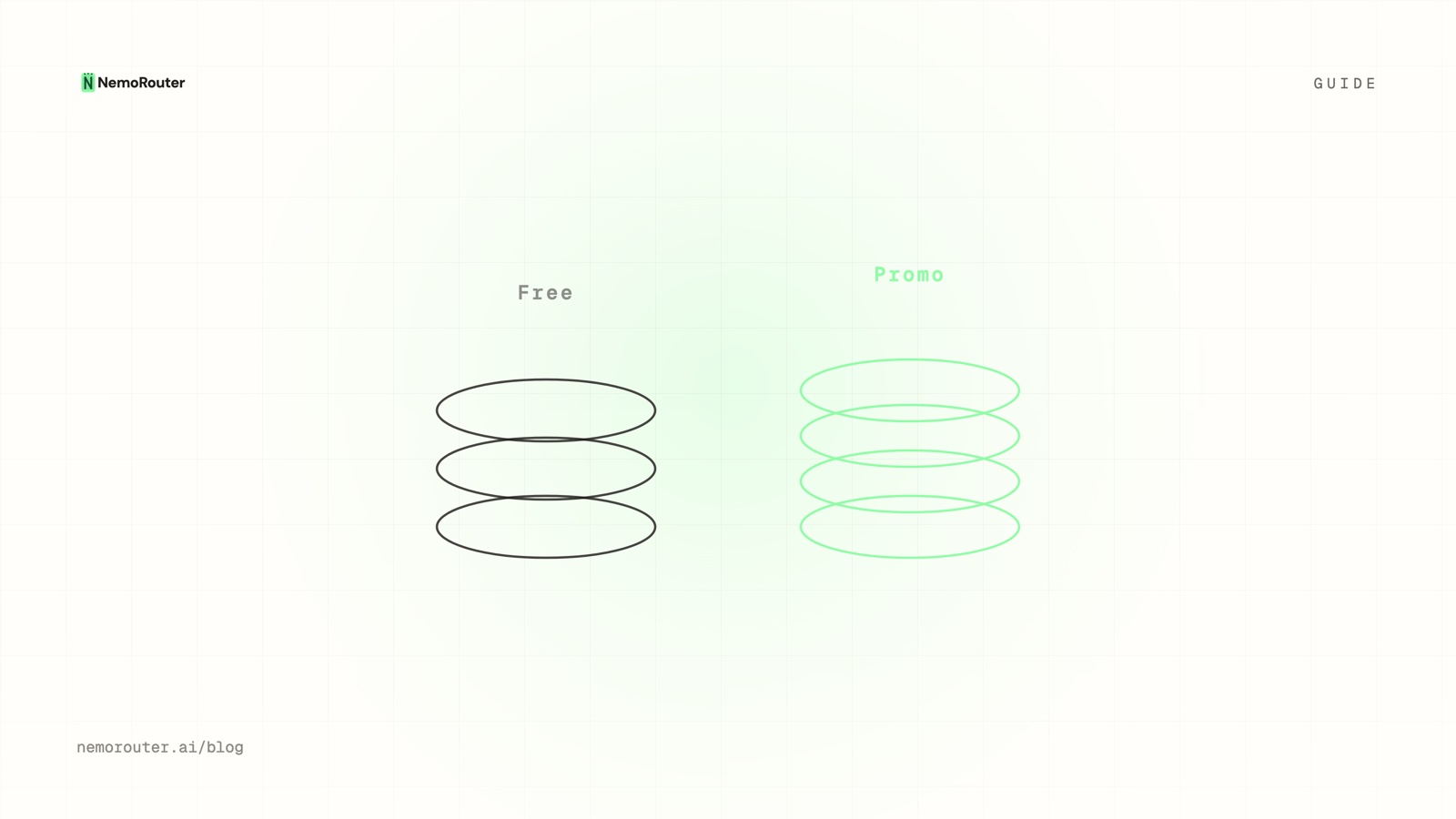
Start building before you spend a cent. Here is how the promotional free tier works — signup credits, what they unlock, and how the first top-up promotes you to a paid tier without losing anything.

Start building before you spend a cent. Here is how the promotional free tier works — signup credits, what they unlock, and how the first top-up promotes you to a paid tier without losing anything.

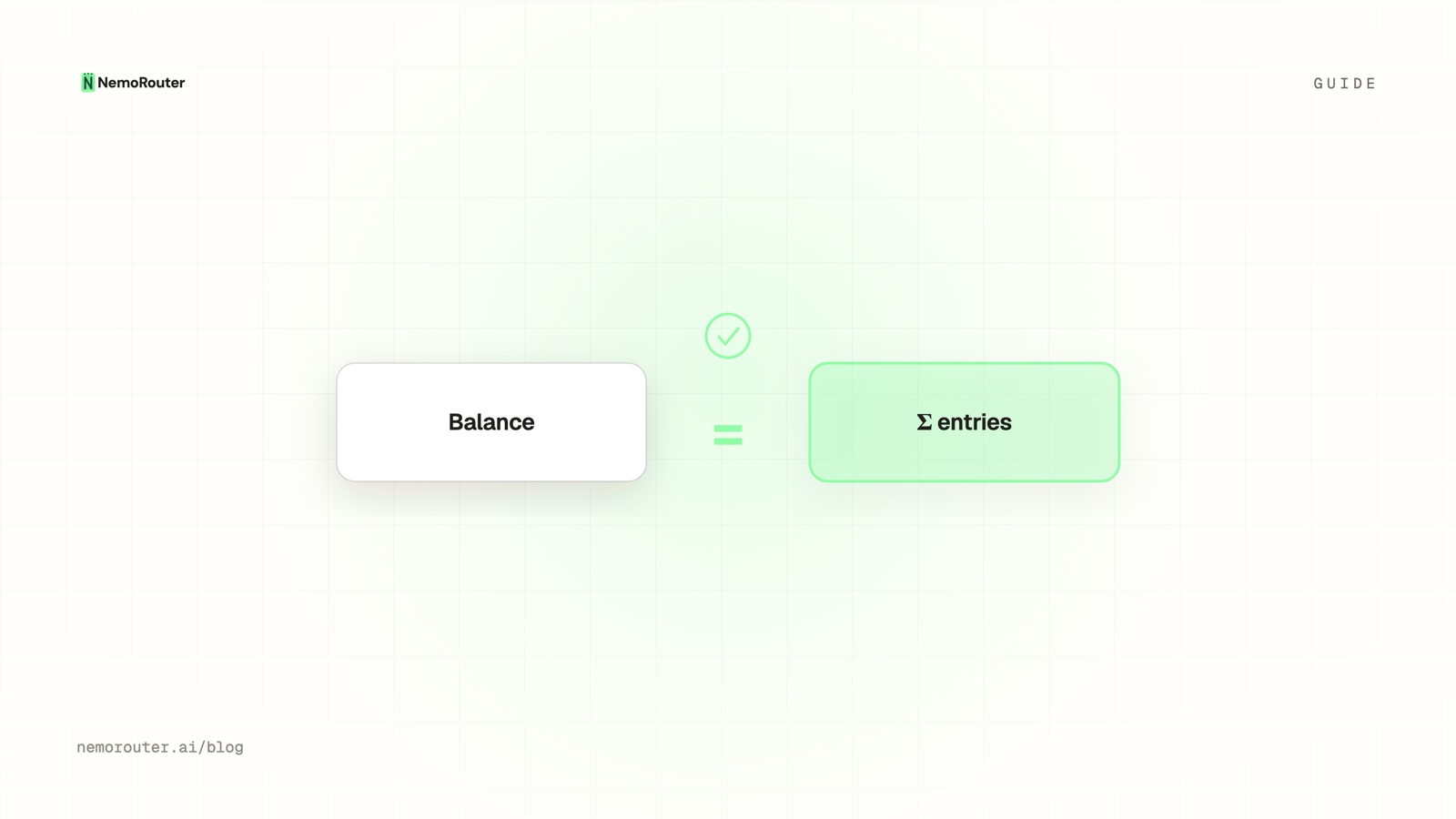
Your balance is a running total of ledger entries — reservations, settlements, releases, top-ups, fees. Here is how to read the ledger so every cent of LLM spend is explainable.

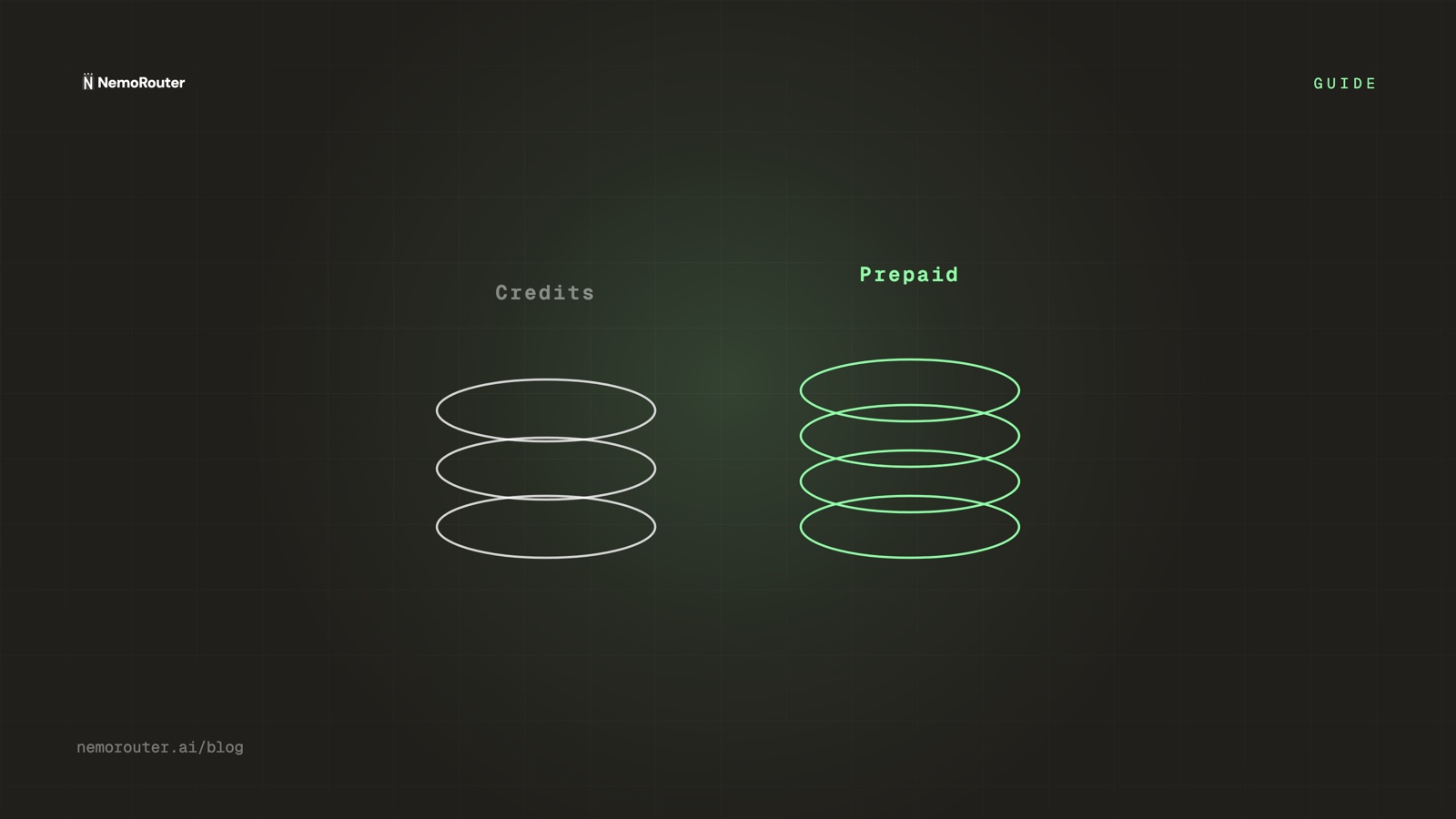
Provider prepaid tokens lock you to one model''s pricing. Gateway credits are model-agnostic dollars. Here is how the two differ and why credits fit a multi-model world better.

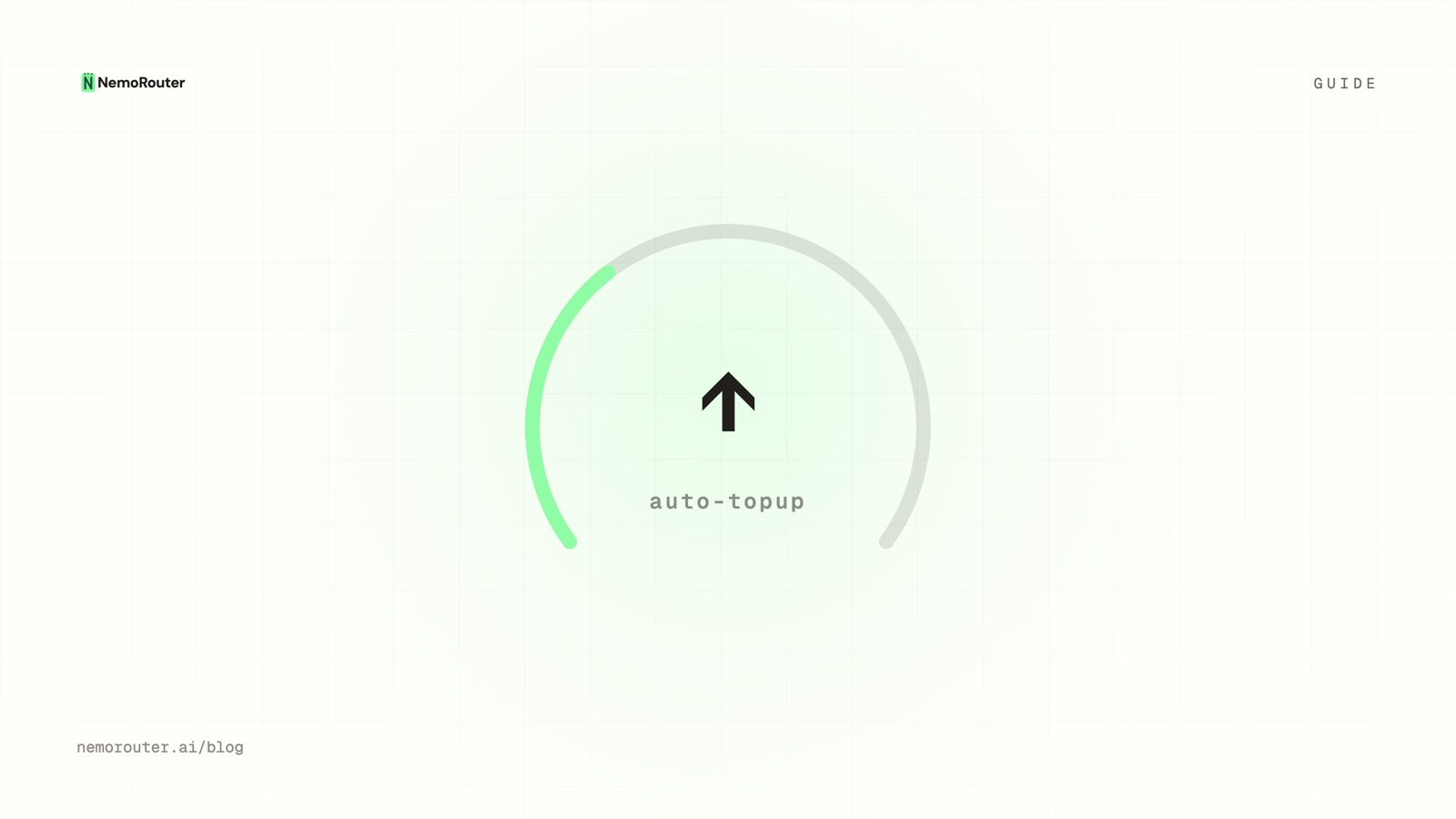
Auto-topup keeps your gateway from running dry mid-traffic — but done wrong it's an uncapped spend loop. Here is how to configure it with a ceiling so it helps without becoming a runaway.

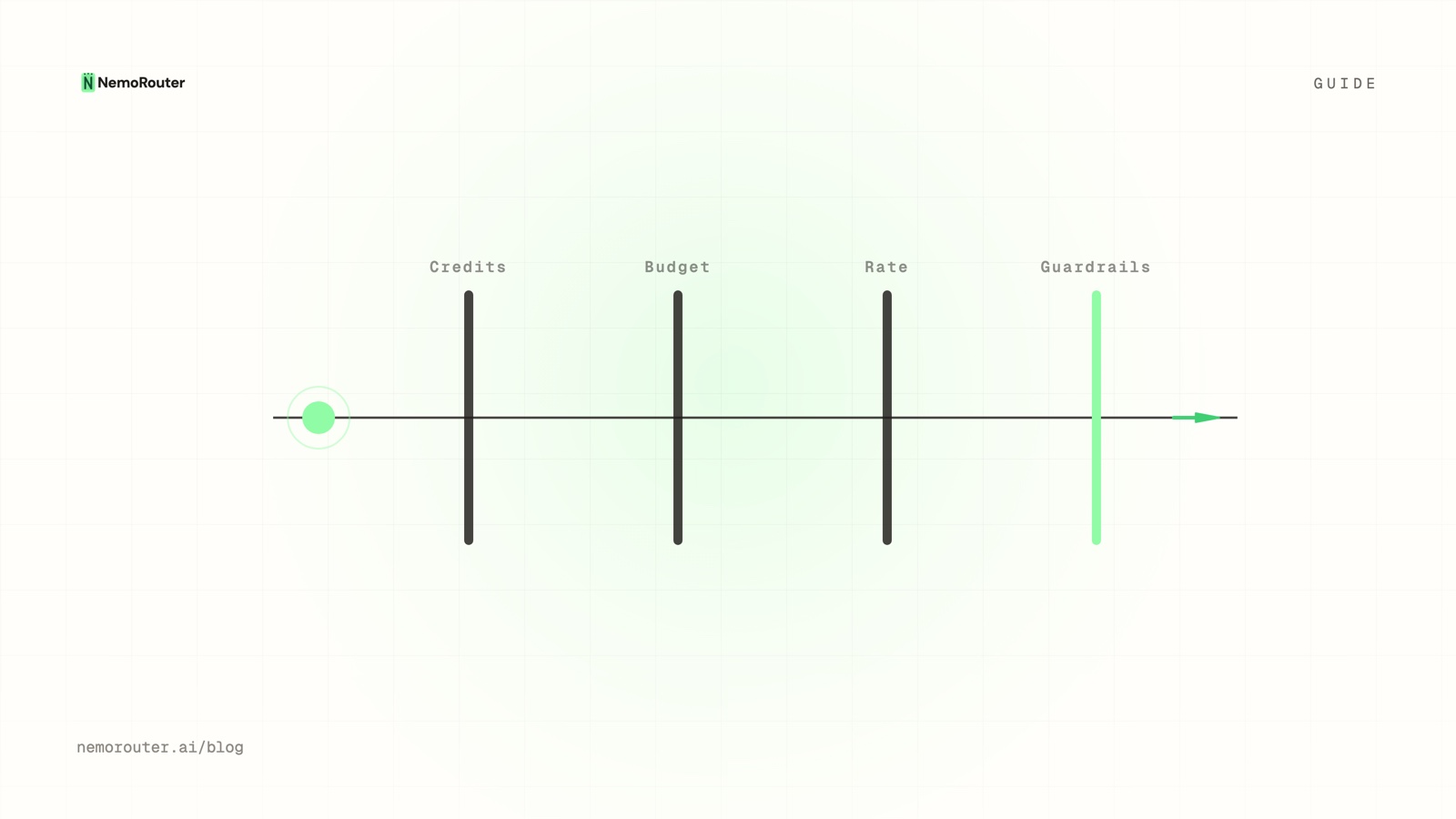
Before an LLM call leaves the gateway it clears four independent limits: credit balance, budget cap, rate limit, and guardrails. Here is what each one checks and why they are separate.

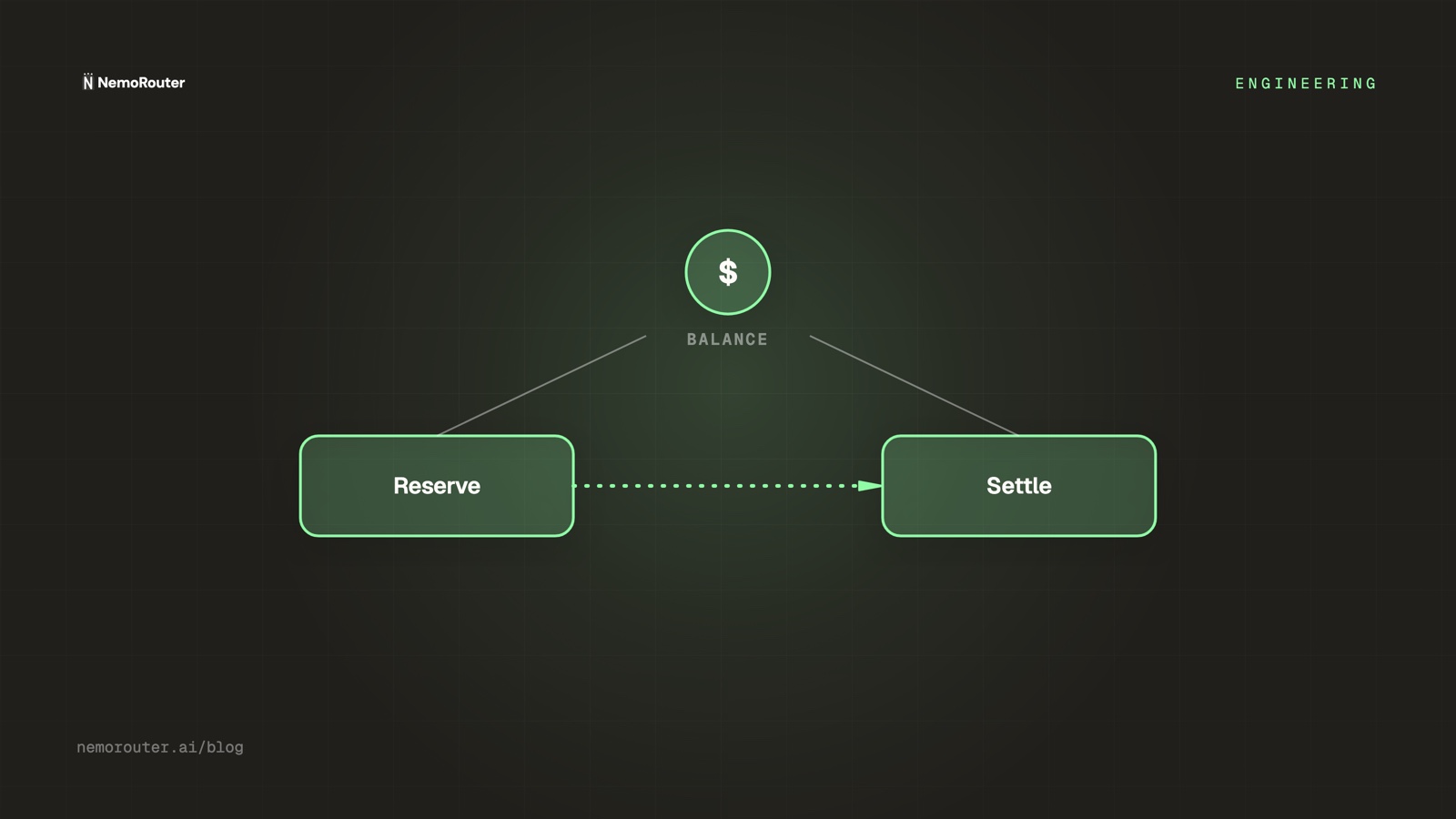
Checking a balance after a call is too late under concurrency. Here is the reserve-and-settle pattern NemoRouter uses to make credit caps exact, even when thousands of requests race for the last dollar.

Most gateways quietly take a cut of every token. NemoRouter charges a platform fee on top at purchase and gives you 100% of your credits. Here is why that pricing model is more honest — and cheaper at scale.
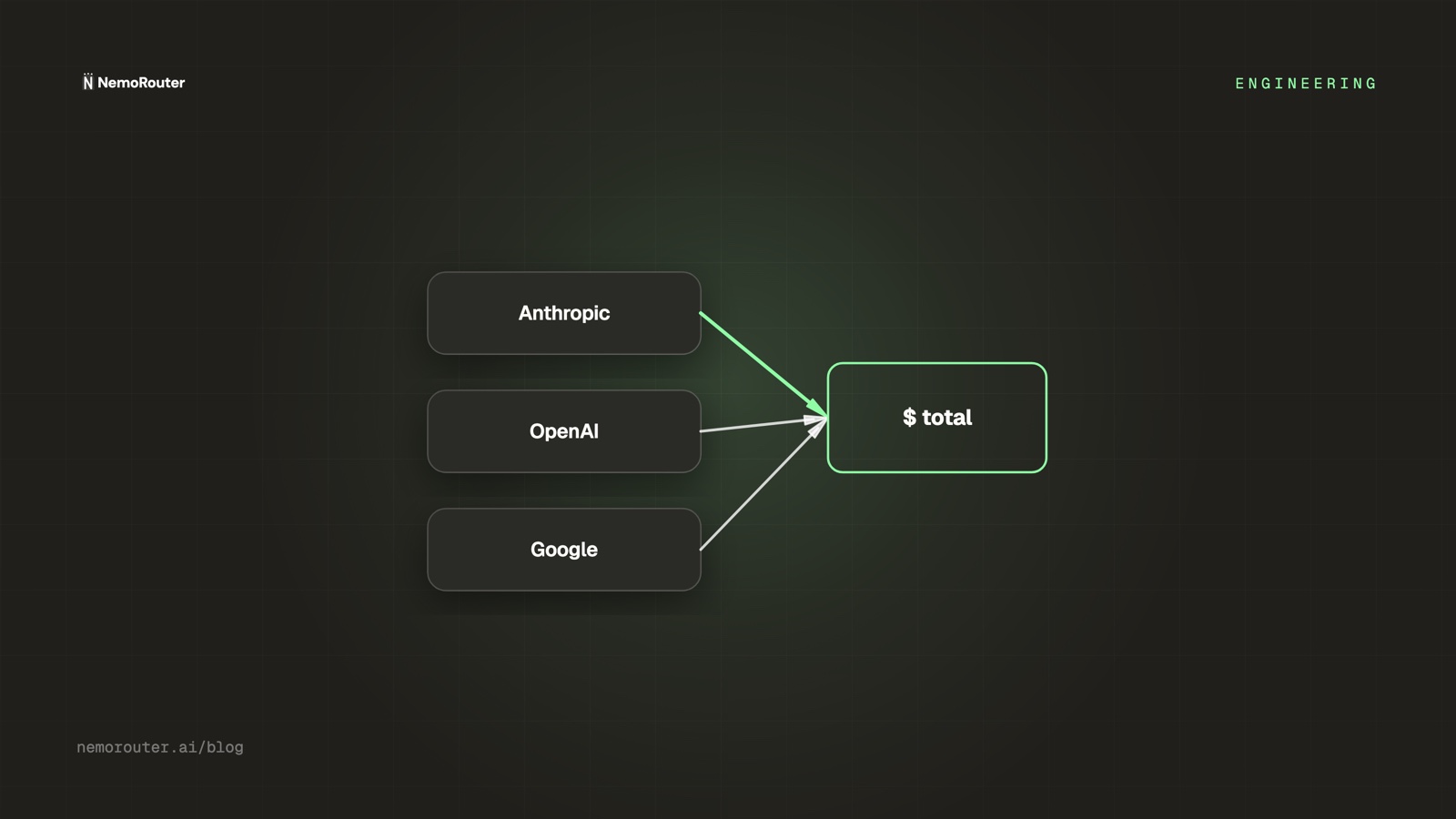
From per-token pricing to provisioned throughput — how NemoRouter tracks costs across every major LLM provider with a credit-based system.
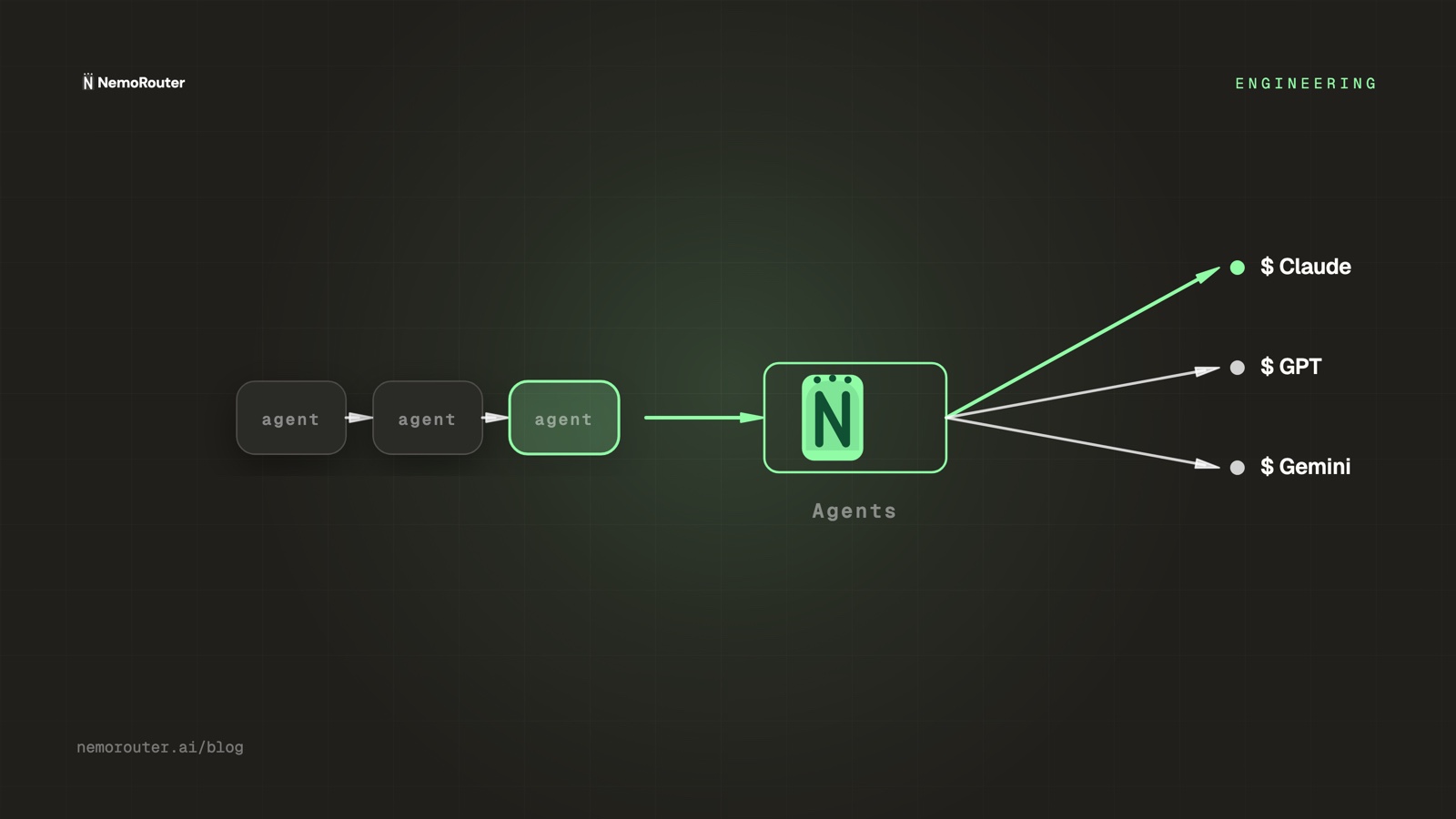
How to attribute LLM costs across multi-agent systems: virtual keys per agent role, per-run cost accumulation, budget enforcement, and the observability patterns that prevent surprise bills.