Guides
How to Read Your LLM Credit Ledger
Your balance is a running total of ledger entries — reservations, settlements, releases, top-ups, fees. Here is how to read the ledger so every cent of LLM spend is explainable.
Nemo Team
7 min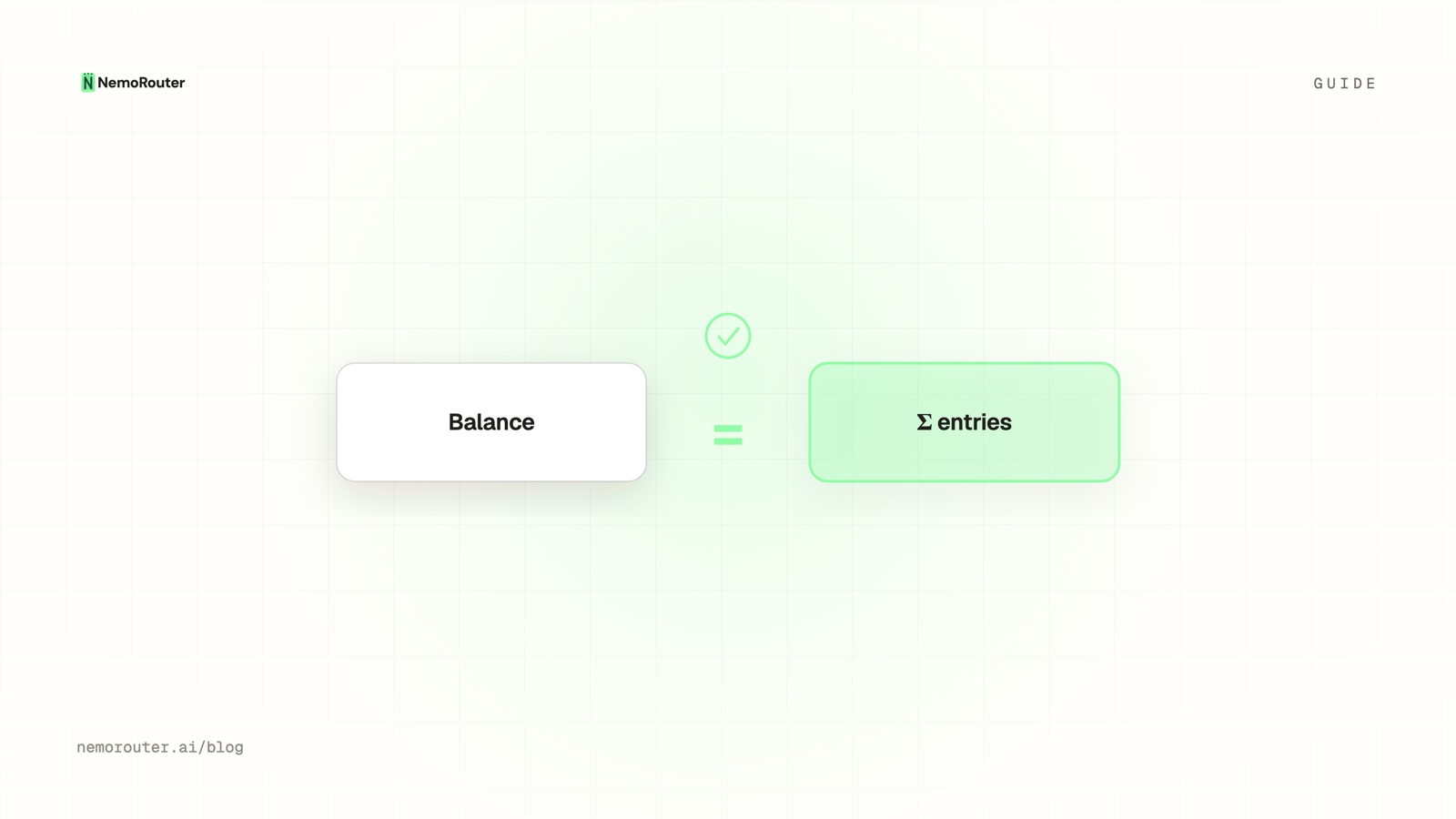
Your balance is a running total of ledger entries — reservations, settlements, releases, top-ups, fees. Here is how to read the ledger so every cent of LLM spend is explainable.
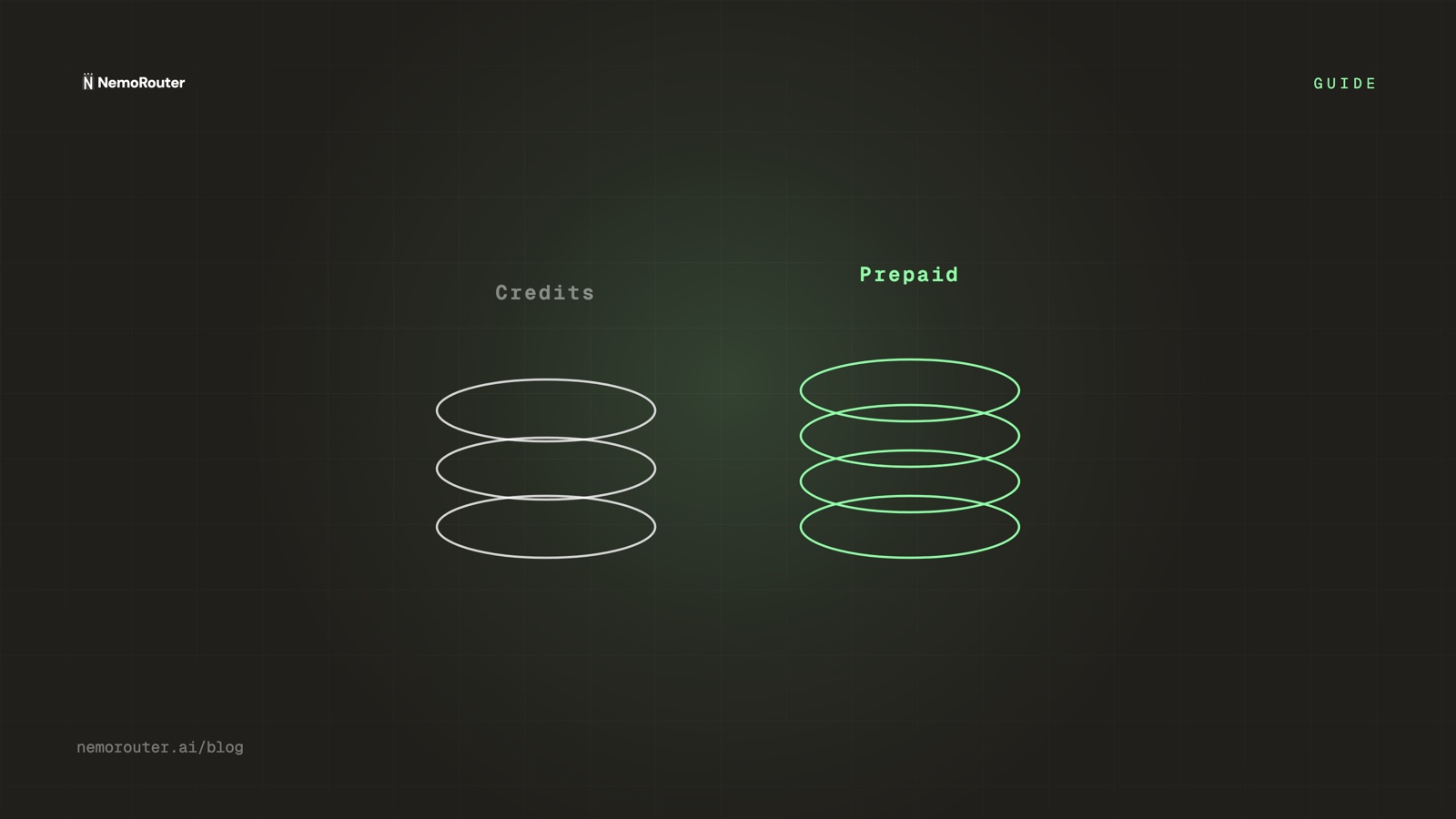
Provider prepaid tokens lock you to one model''s pricing. Gateway credits are model-agnostic dollars. Here is how the two differ and why credits fit a multi-model world better.
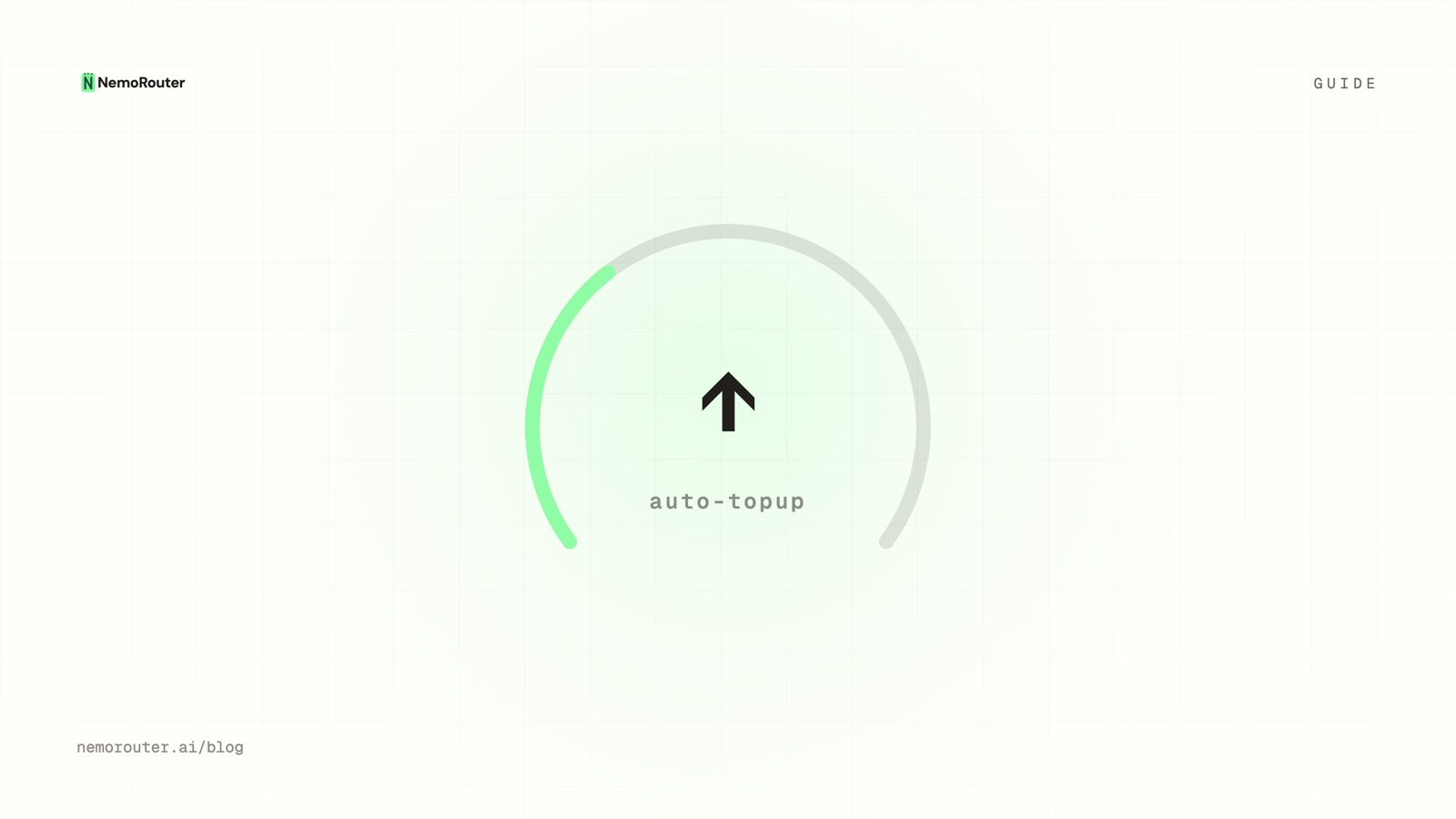
Auto-topup keeps your gateway from running dry mid-traffic — but done wrong it's an uncapped spend loop. Here is how to configure it with a ceiling so it helps without becoming a runaway.
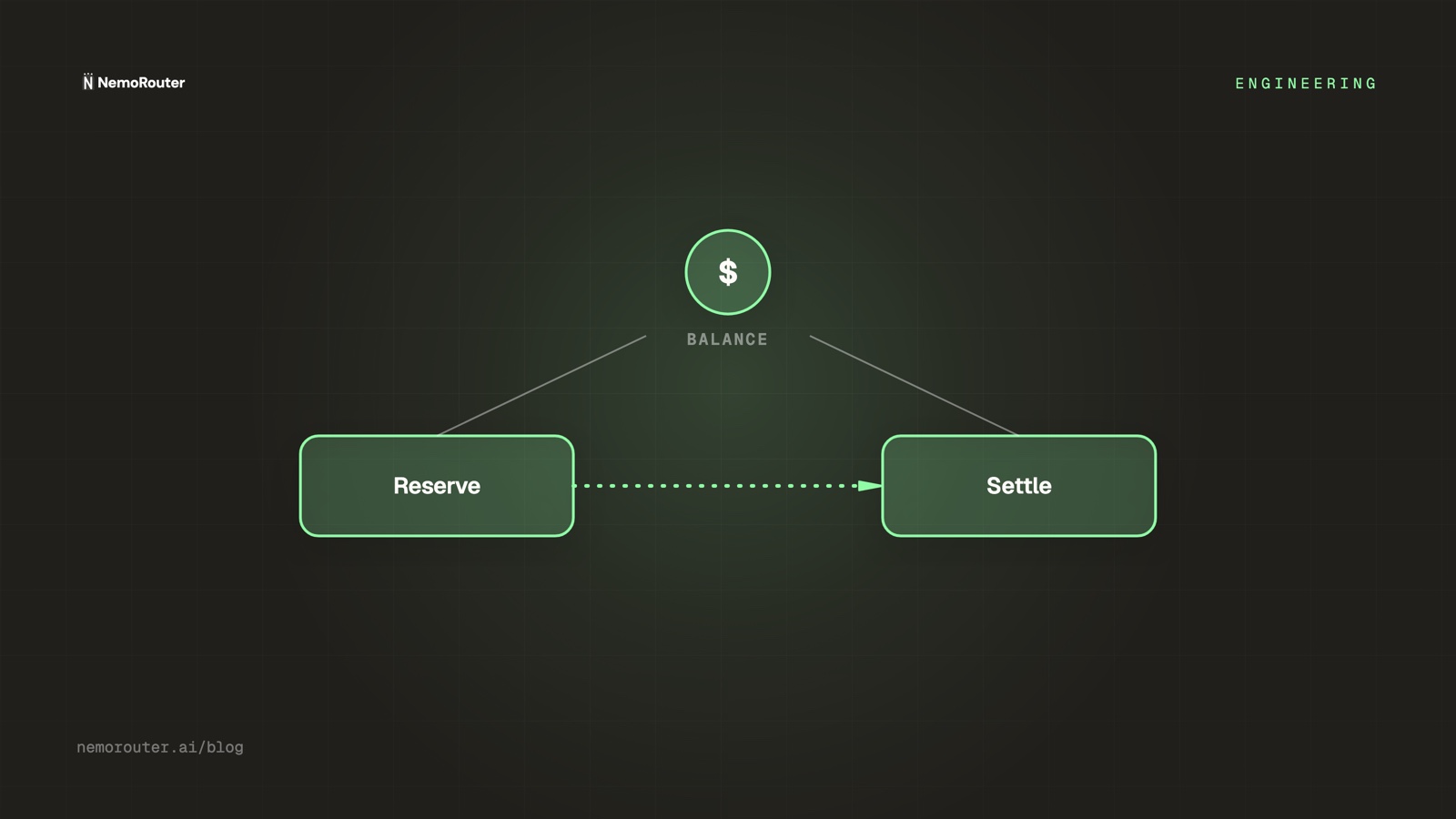
Checking a balance after a call is too late under concurrency. Here is the reserve-and-settle pattern NemoRouter uses to make credit caps exact, even when thousands of requests race for the last dollar.
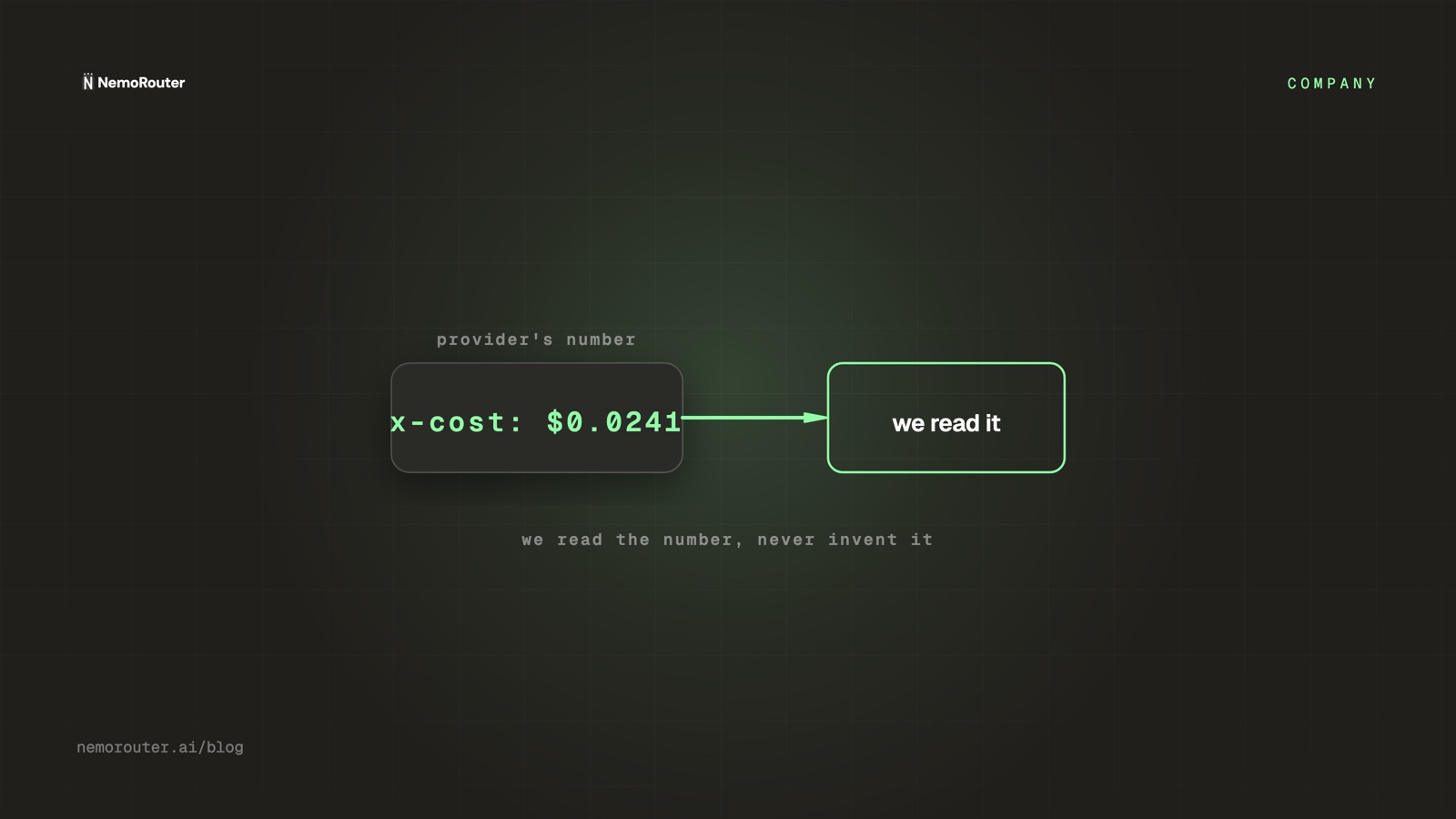
The most important number in an LLM gateway is the cost, and the easiest one to fudge. Our principle: read the provider's authoritative cost, never compute a convenient one. Here is why that shapes everything.
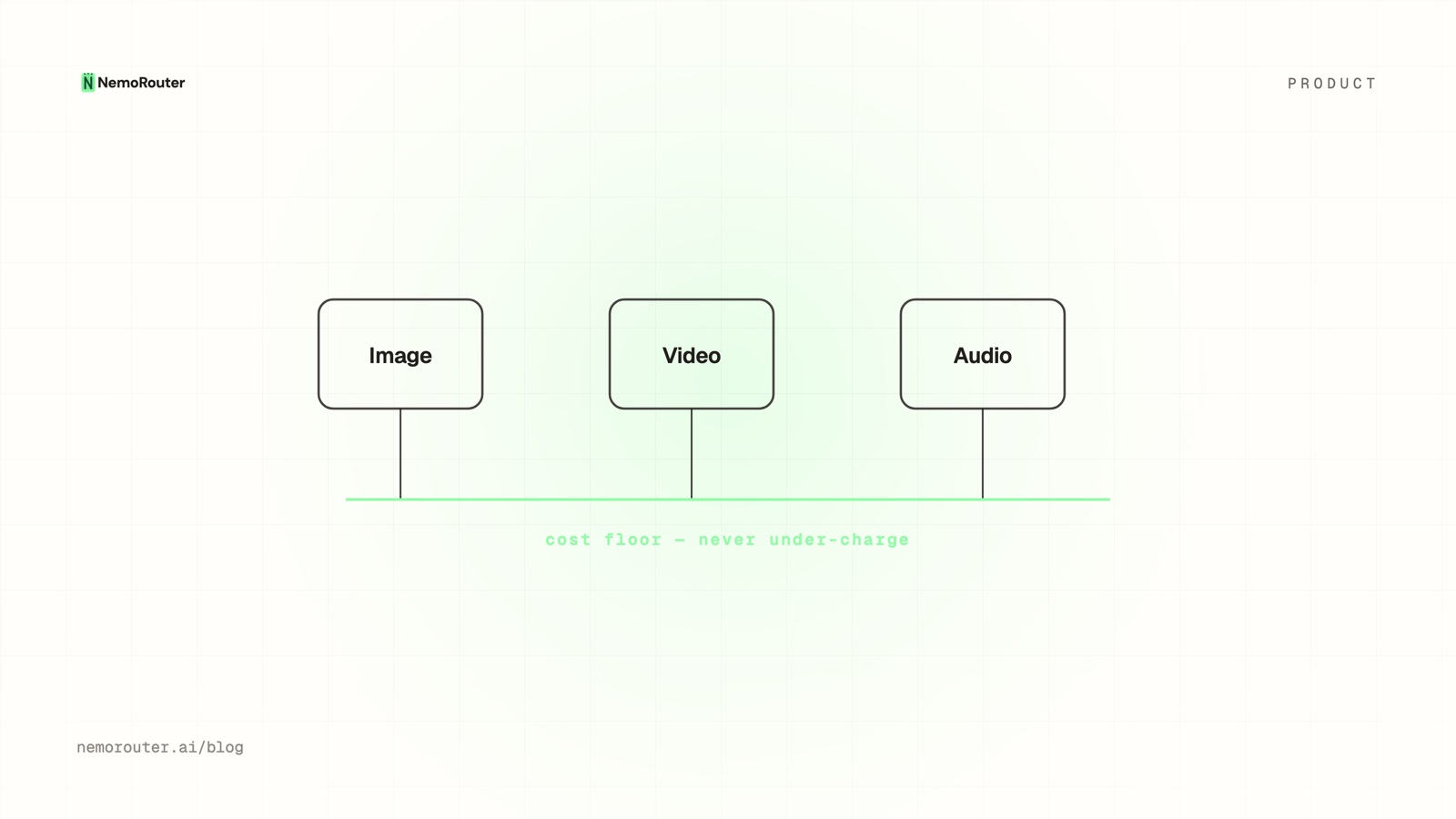
Image, video, and audio models don't price like text — and a $0 cost reading is a silent revenue leak. Here is how reserve floors and zero-cost gating keep multimodal spend safe.
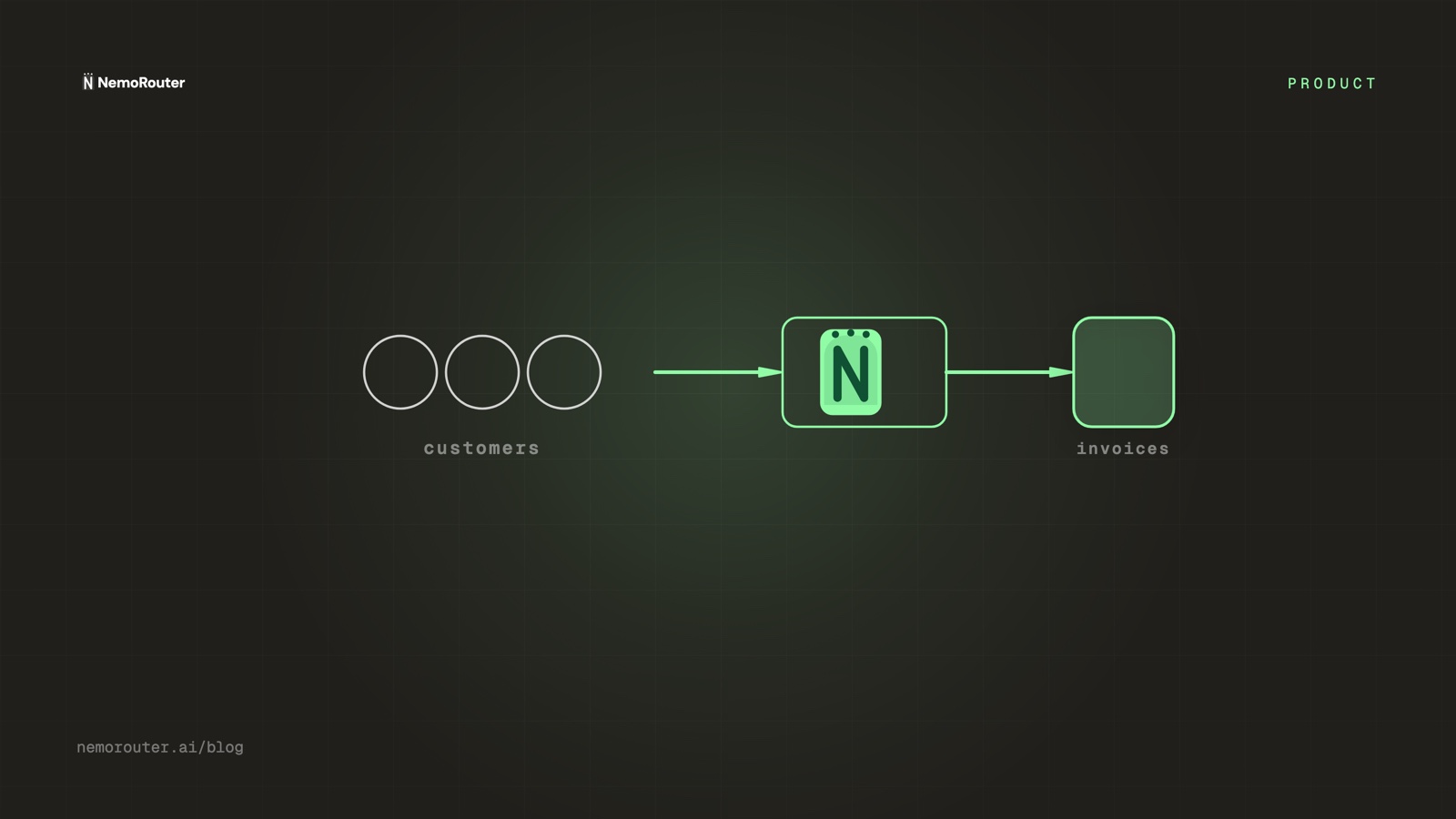
If you sell an AI product, you need to know what each customer costs to serve. Here is how request tags, team scoping, and exact cost tracking turn one gateway bill into per-customer economics.
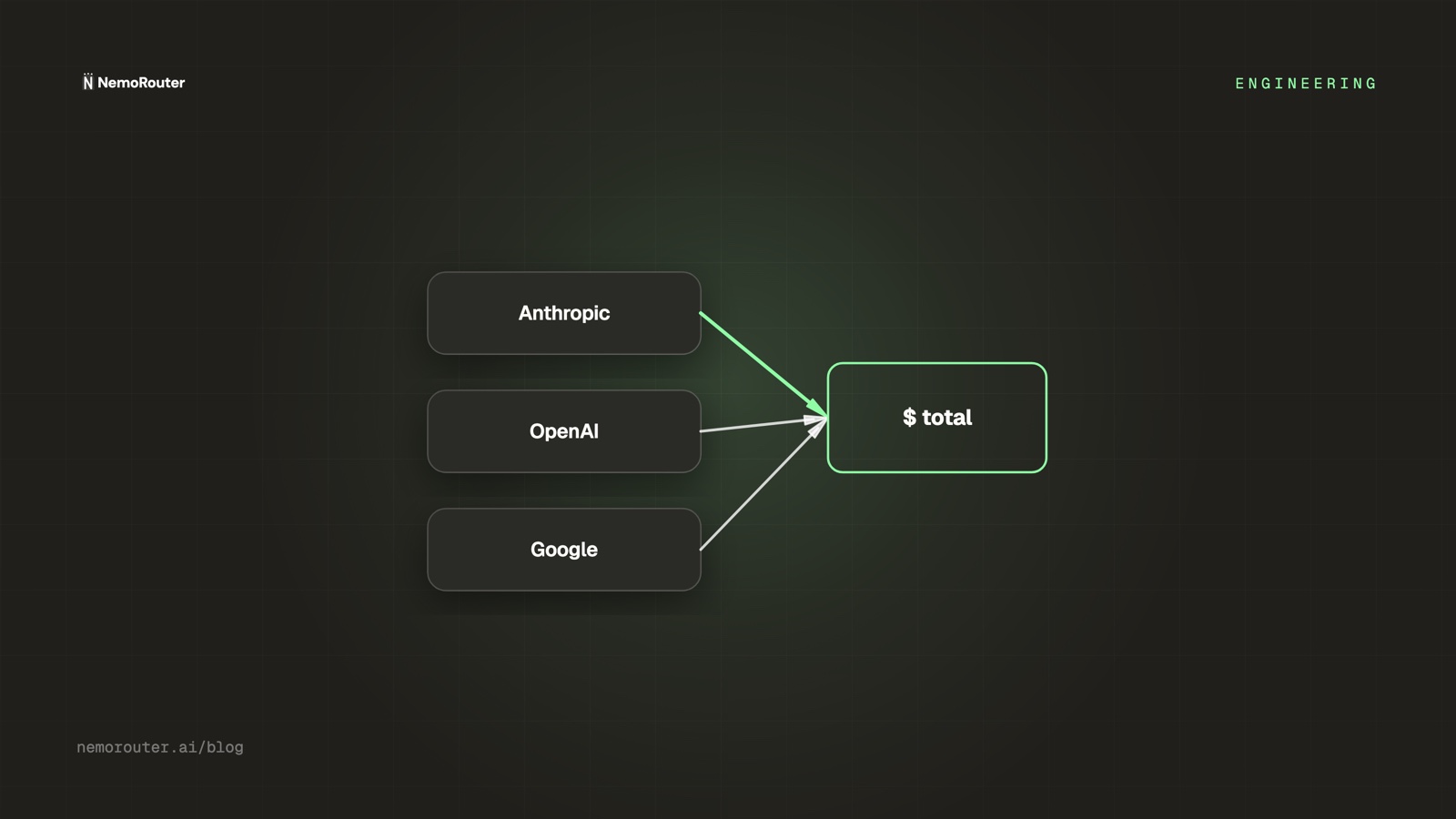
From per-token pricing to provisioned throughput — how NemoRouter tracks costs across every major LLM provider with a credit-based system.