You can take an AI feature from signup to a production-ready call in an afternoon — and add new models later by changing one string, not writing a new integration.
That is the difference between launching this sprint and slipping to next quarter. Most AI roadmaps don't stall on the model; they stall on everything around it: a separate account per provider, a new SDK to learn, cost controls you have to build before finance will sign off, and logging you bolt on after the first surprise bill. This guide shows how to skip that work and ship.
The problem this solves
The demo always works. The path to production is where weeks disappear.
A typical first AI feature looks like this on paper: "call a model, return the answer." In practice the team spends the first week getting a provider account approved, the second week wiring the SDK and handling auth, the third week building budget caps and rate limits so one runaway loop can't burn the monthly spend, and a fourth week adding request logging because nobody can debug what they can't see. Then product asks to try a cheaper model for one path, and half of that work repeats against a second provider with a different API shape.
None of that is your feature. It's the tax you pay to put any model in front of a user. The faster you can make that tax disappear, the faster you ship.
How it works
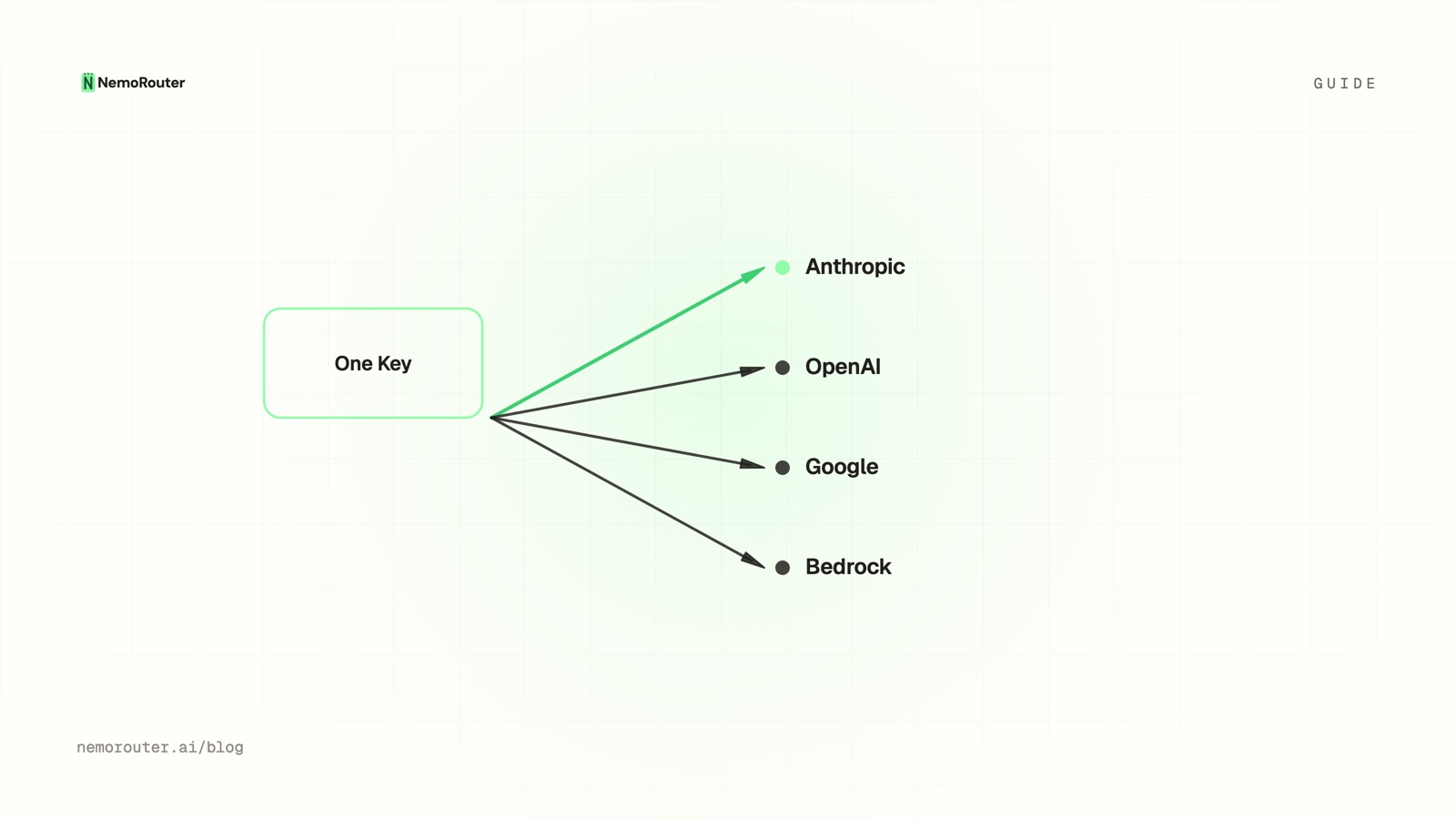
NemoRouter is one OpenAI-compatible endpoint in front of 78+ models across Anthropic, Google, and OpenAI (AWS Bedrock shipping next). One key authenticates all of them, so the integration you write once works for every model you'll ever switch to.
Three things collapse the timeline:
- Use the SDK you already know. Because the endpoint is OpenAI-compatible, you point the official OpenAI client (or any compatible library) at a new
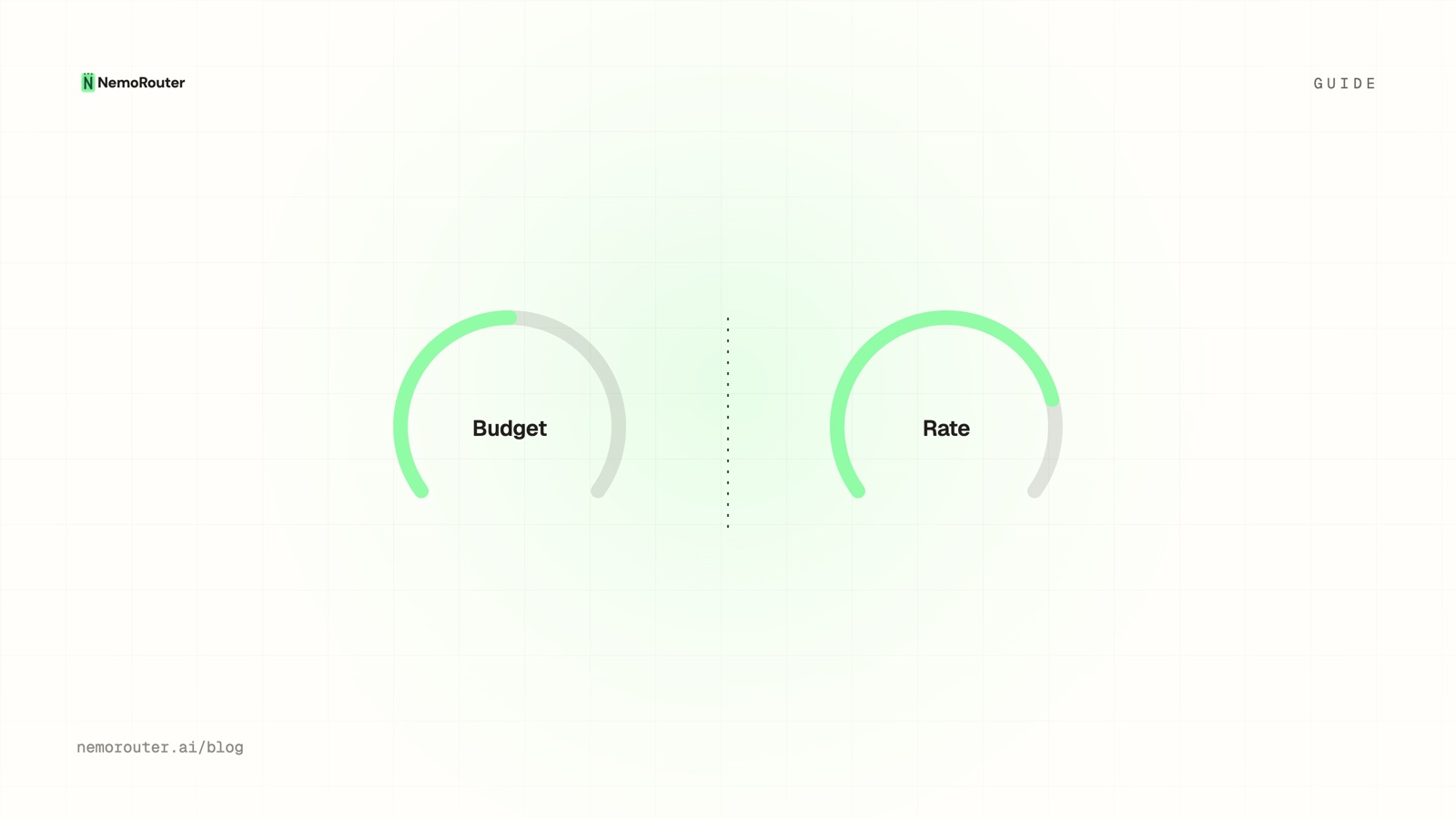
base_url. No new SDK, no per-provider auth flow, no second client to maintain. - Cost controls ship with you, not after you. Per-key, per-team, and per-org budgets plus rate limits are available from the first call — so you can launch with a hard spend ceiling instead of building one before finance approves the rollout.
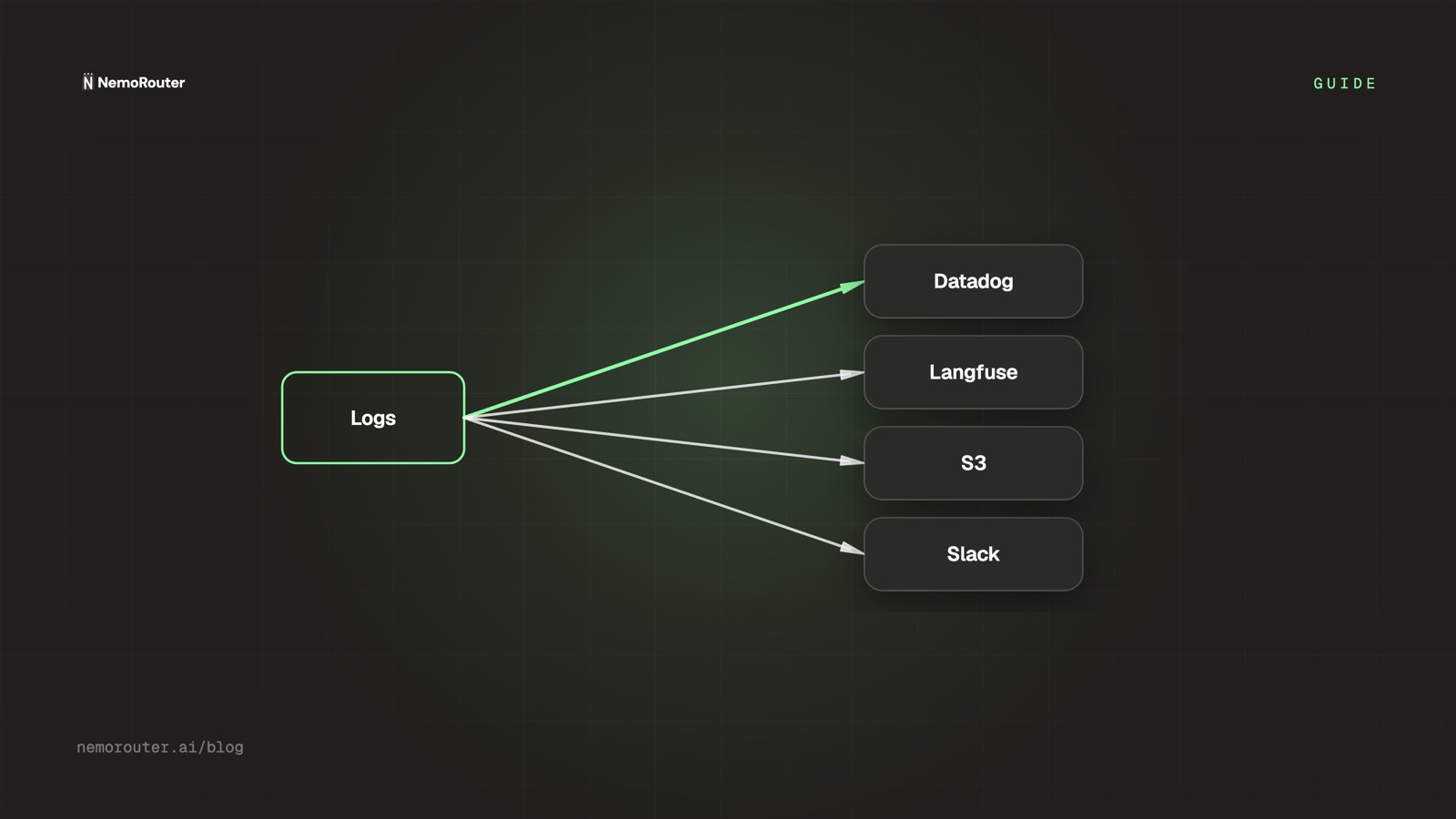
- Observability is on by default. Every request is logged with cost and latency, so debugging and your first cost review are a dashboard view, not a new project.
The model itself is just a string in the request body. Switching from a fast model to a cheaper one — or adding a new provider months later — means editing that string, not opening a new integration ticket.
A working example
This is a complete, production-shaped call. Set a base_url, reuse the OpenAI client your team already has, and you're live:
from openai import OpenAI

client = OpenAI(
    base_url="https://api.nemorouter.com/v1",
    api_key="YOUR_NEMO_KEY",  # one key for every model
)

resp = client.chat.completions.create(
    model="claude-sonnet-4-6",        # swap this string to change models later
    messages=[{"role": "user", "content": "Summarize this ticket in one line."}],
)

print(resp.choices[0].message.content)
print(resp.headers["x-nemo-request-cost"])  # per-request cost, logged for you
To try a different model in another code path, you change model= — nothing else.
Set a budget before you launch, not after
Attach a per-key budget when you create the key. A runaway loop then hits a hard ceiling and returns a clean error instead of an end-of-month surprise — so you can ship to real users on day one with the spend bounded.
The results
The same first AI feature, with and without the integration tax:
| Step | Build it yourself | With NemoRouter |
|---|---|---|
| Provider access | Account + approval per provider | One key, every model |
| SDK wiring | New client per provider | Reuse your OpenAI client |
| Budgets & rate limits | Build before launch | On from the first call |
| Request logging & cost | Add after first bill | On by default |
| Add a second model | New integration | Change one string |
Enterprise features — guardrails, budgets, A/B tests, observability — are free on every tier; plans only vary the platform fee (4% pay-as-you-go, 0% on Pro). Nothing you need to ship safely is behind an upgrade, so the fast path and the safe path are the same path.
Summary
Shipping an AI feature fast isn't about a faster model — it's about deleting the weeks of account setup, SDK wiring, cost controls, and logging that sit between a working demo and a production rollout. One OpenAI-compatible key, the SDK you already use, and budgets and observability on by default turn that from a month into an afternoon, and turn "try a different model" from a project into a one-line change. Ready to start? See the docs for the five-minute quickstart.